Watts Bar Lake, straddling parts of Tennessee’s Cumberland Plateau and surrounding lowlands, offers a mosaic of habitats — riverine marshes, hardwood ridges, small islands, and long, quiet coves. For nature lovers, this landscape yields rich wildlife encounters, accessible hiking and paddling, and broad vistas for photography and reflection. This guide highlights where to go, what to look for, and how to make the most of a visit while respecting the area’s natural rhythms.
Understanding the Place: Geography and Seasons
Watts Bar Lake is a reservoir created by the Tennessee Valley Authority, stretching across many miles with dozens of arms that penetrate forested valleys. Water levels fluctuate seasonally and with power generation needs, revealing gravel bars and wetlands in lower seasons and forming broad open water in spring and early summer. That dynamic influences where wildlife gathers and how trails and shorelines look at different times of the year.
Seasons change the experience dramatically. Spring brings migratory birds, tree bud bursts, and singing frogs; summer fills the lake with dragonflies, sun-warmed turtles, and the steady hum of cicadas; fall colors paint the ridges and shorelines in orange and crimson while waterfowl numbers increase; winter offers stark silhouettes, migrating raptors, and the chance to see mammals more easily against bare understory.
The topography surrounding Watts Bar Lake includes rolling hills, limestone bluffs, and mixed hardwood forests, creating a mosaic of microhabitats that support diverse plant and animal communities. The lake’s shoreline is often steep and rocky in some areas, while gentle, sandy beaches appear in others, each providing unique opportunities for exploration or relaxation. Seasonal water fluctuations not only impact wildlife but also affect recreational activities, from fishing and boating in high water to hiking and birdwatching along exposed shorelines in drier periods.
Additionally, humidity and temperature shifts throughout the year influence the local ecosystem’s rhythm. Spring rains replenish wetlands and encourage the growth of wildflowers and aquatic plants that feed insects and amphibians. The long, hot summers stimulate vigorous algal blooms and increase the activity of reptiles and insects. As autumn cools the environment, many species prepare for winter by migrating or entering states of dormancy, making Watts Bar Lake an ever-changing stage for observing nature’s resilience and adaptability.
Wildlife Highlights: What to Watch For
Watts Bar Lake supports a surprising variety of life. The mix of shallow coves, submerged structure from flooded forests, and adjacent upland woodlands creates ideal feeding, nesting, and resting spots for many species. Observers may spot everything from wading birds to secretive mammals during a single day.
Birdlife: From Waterfowl to Warblers
Shorelines and marshy shallows attract herons and egrets; great blue herons and green herons are commonplace, often standing motionless as they hunt. Double-crested cormorants and anhingas perch on exposed logs when the sun is out. During migration, warblers and vireos move through the riparian canopy, while ospreys and bald eagles patrol the open water for fish.
In winter, look for larger flocks of ducks — mallards, hooded mergansers, and occasionally bufflehead — congregating in protected coves. Spring and early summer are prime for detecting songbird diversity along the wooded trails bordering the lake.
Mammals, Reptiles, and Amphibians
White-tailed deer browse along edge habitats at dawn and dusk. Raccoons and opossums are commonly seen or detected by their tracks near shorelines. Nutria and muskrats may be observed in marshy areas, building lodges or feeding on submerged vegetation.
Reptiles like painted and snapping turtles bask on logs and partially submerged branches. Water snakes and nonvenomous snakes inhabit the warm rocks and shoreline brush. Frogs and toads chorus loudly in spring and summer nights, an unmistakable soundtrack for paddlers or campers.
Top Trails and Access Points for Nature Viewing
Although Watts Bar Lake is primarily known for boating and fishing, several trails and shoreline access points offer great opportunities for hikers and wildlife watchers. Trails range from short interpretive loops to more rugged footpaths along ridgelines, each offering different habitat views.
Shoreline Walks and Picnic Areas
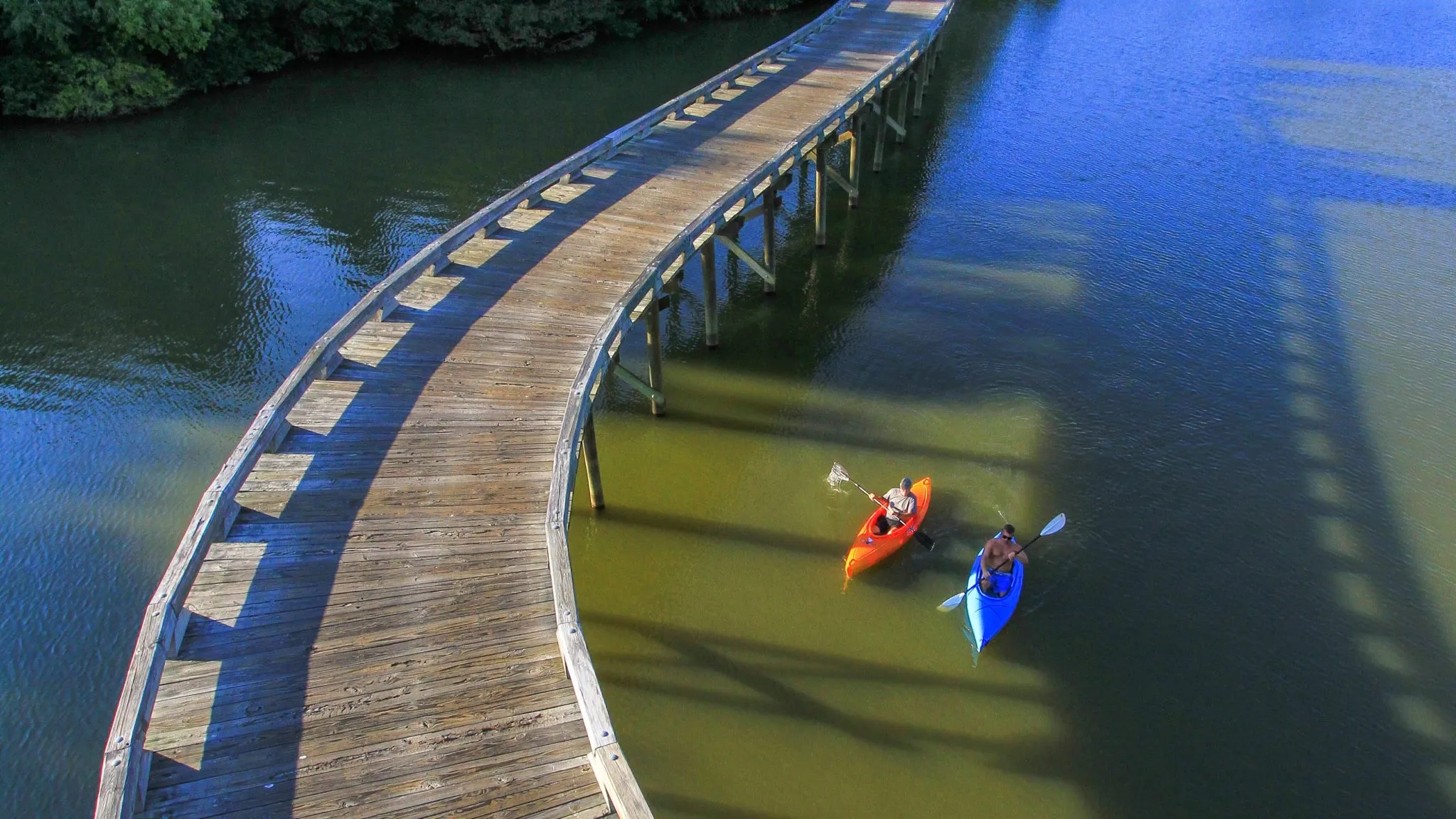
Many TVA-managed recreation areas provide short loops and boardwalks that are ideal for families and casual observers. These spots tend to have interpretive signs, picnic tables, and safe, maintained pathways that make wildlife viewing accessible without a long hike. Early morning or late afternoon visits increase the chances of quiet animal activity and better light for photography.
Ridgetop Hikes and Overlooks
Where paved or unpaved roads climb from the lake, short spurs often lead to overlooks with wide views of the water and the surrounding landscape. These vantage points are perfect for spotting raptors thermalling above the ridges or for watching dawn fog lift from the coves. Ridgetop trails give a different perspective, showing how the lake carves into the land and supporting species that prefer upland habitats.
Paddling Routes for Silent Watching
Kayaks and canoes are excellent tools for stealthy wildlife observation. Quiet paddling allows close approaches to bird roosts, shoreline turtles, and hidden coves where beavers and muskrats work. Consider exploring less-trafficked arms of the lake early in the morning when boat traffic is low and wildlife is most active.
Photography and Viewing Tips
Good wildlife and landscape photography at Watts Bar Lake is as much about timing and patience as gear. Light quality, weather conditions, and method of approach will strongly influence results. Bringing the right equipment and respecting animals’ space makes for better photos and safer encounters.
Best Times of Day and Light
Golden hour — the hour after sunrise and the hour before sunset — provides warm, directional light that flatters both wildlife subjects and landscapes. Morning often offers calmer water and more active birds and mammals, while late afternoon light enhances textures and autumn colors. Overcast days are excellent for even lighting that avoids harsh shadows when photographing animals.
Approach and Camouflage
Moving slowly, minimizing noise, and using natural cover makes a large difference in how close wildlife will allow an observer to approach. Neutral-colored clothing and avoiding sudden movements help, as does situating oneself downwind when possible. Binoculars and a spotting scope are invaluable for extended viewing without disturbing animals.
Fishing, Foraging, and Ethical Wildlife Interaction
Fishing is central to many visits to Watts Bar Lake, but wildlife lovers should always balance recreation with conservation-minded practices. Fishing, foraging, and other low-impact activities can coexist with wildlife observation when done responsibly.
Responsible Fishing Practices
Catch-and-release techniques, proper handling of fish, and adherence to local regulations preserve game populations and the broader ecosystem. Avoid leaving fishing line, lures, or trash that can entangle wildlife. Boats should run at safe speeds near shorelines to reduce wake and protect nesting sites for birds and fragile vegetation.
Foraging and Plant Awareness
Seasoned foragers will find edible plants and mushrooms in upland woods adjacent to the lake, but caution is essential. Collect only what is legally allowed and correctly identified; many lookalike species can be toxic. Avoid trampling sensitive plant communities and never harvest from protected areas or private lands without permission.
Where to Stay and How to Plan a Trip
Planning a visit involves picking the right time of year and choosing accommodations that suit the intended activities. Whether the goal is a day trip for birding or a multi-day camping and paddling excursion, preparation improves both safety and enjoyment.
Camping and Lodging Options
Several campgrounds around the lake range from primitive sites to full-service facilities with showers and boat ramps. Backcountry-like camping is possible on some hand-accessible sites, but regulations and permits may apply. Nearby towns offer lodges, cabins, and small hotels for those who prefer a more comfortable base.
Packing Essentials and Safety
Packing layers for changing weather, insect repellent, a water filter or plenty of drinking water, and navigation tools (maps, compass, or GPS) is recommended. A basic first-aid kit and knowledge of local hazards — ticks, venomous snakes, and seasonal storms — are important. For paddlers, life jackets are mandatory and a whistle or signaling device is prudent.
Conservation: How Visitors Can Help
Protecting the ecological integrity of Watts Bar Lake and its surroundings ensures that wildlife will continue to thrive and visitors will enjoy the landscape for years to come. Simple actions on the part of visitors have a meaningful cumulative impact.
Leave No Trace and Respect Wildlife
Pack out all trash, minimize campfire impacts, and stay on designated trails. Observe wildlife from a distance and never feed wild animals; fed wildlife can become dependent, lose natural fear, and face increased mortality risks. When photographing or watching, prioritize animal welfare over getting closer for a shot.
Support Local Conservation Efforts
Engaging with local land trusts, park groups, and watershed organizations helps protect shorelines and water quality. Donations, volunteer trail work, and participation in citizen science projects (bird counts, water quality monitoring) directly contribute to long-term conservation. Choosing local outfitters and guides that follow sustainable practices supports an economy that values natural resources.
Putting the Visit Together: Sample Day and Multi-Day Ideas
A single day on the lake can be filled with diverse experiences: a sunrise paddle into a quiet cove to watch birds, a mid-morning hike along a wooded ridge, an afternoon swim or fish from a boat, and a sunset view from an overlook or campground. For multi-day trips, mix paddling days with inland hikes and allow for more relaxed photography or foraging time.
Creating an itinerary that balances active exploration with downtime yields the best chance to notice subtle wildlife behaviors and seasonal shifts in the landscape. Flexibility and an eye for weather changes make each day feel new and rewarding.
Final Thoughts: A Place for Quiet Discovery
Watts Bar Lake offers a distinctive blend of aquatic and terrestrial habitats that reward curiosity and patience. Whether arriving with binoculars, boots, a camera, or a fishing rod, the area invites slow observation and thoughtful recreation. Respectful visitation helps ensure that the lake’s birds, mammals, plants, and waterways remain vibrant for generations of nature lovers to come.
Discover Your Own Piece of Tennessee’s Natural Beauty
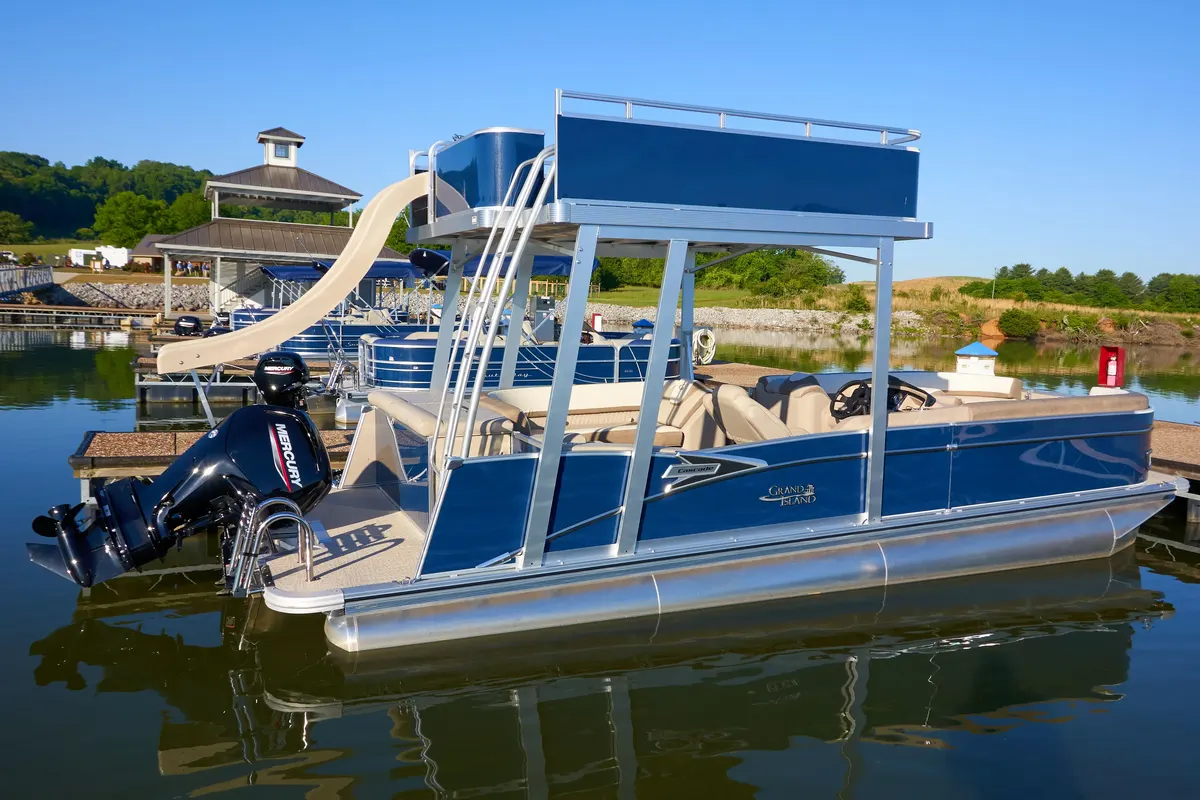
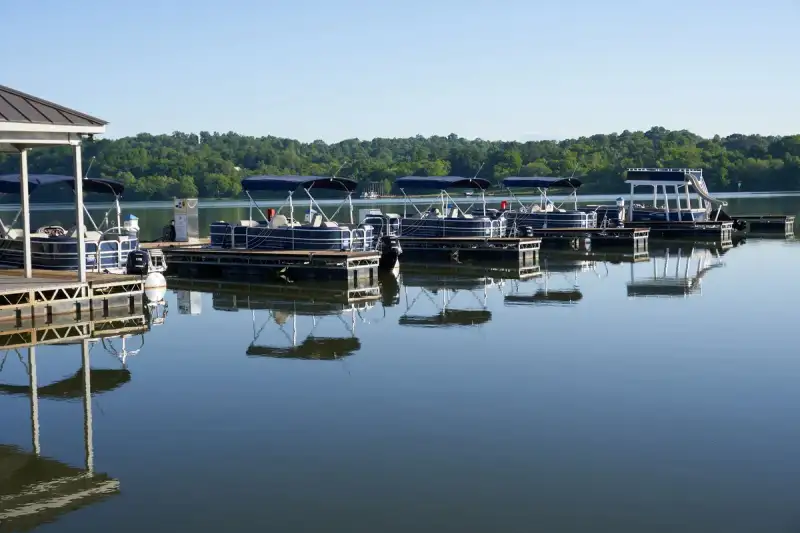
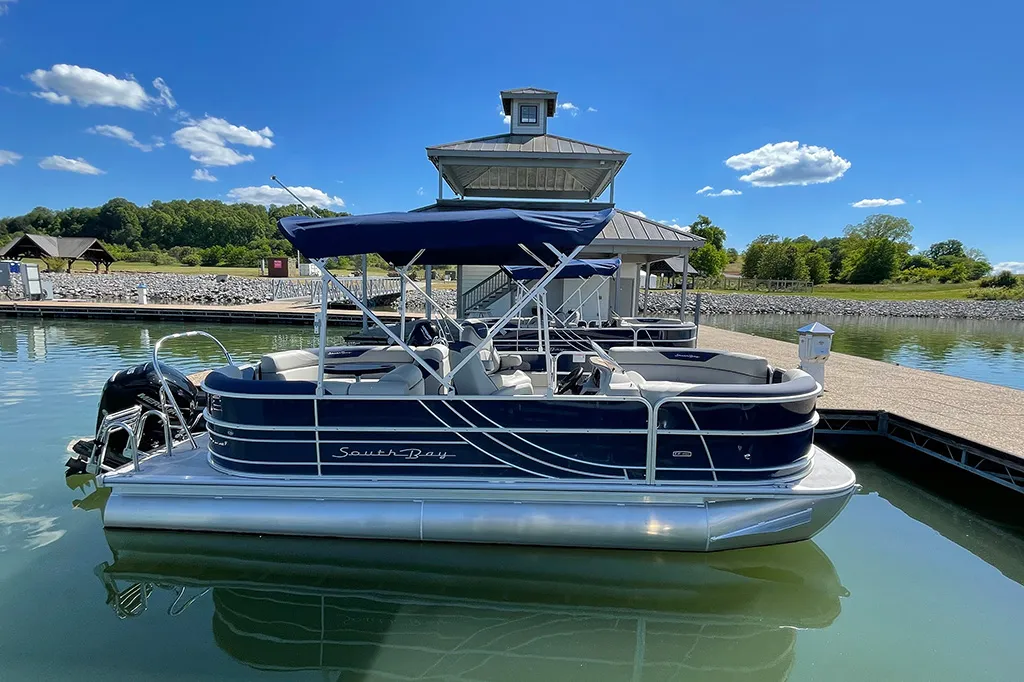
After exploring the rich wildlife and serene landscapes of Watts Bar Lake, imagine calling this stunning region home. Tennessee National offers luxury living nestled within the breathtaking Tennessee scenery, complete with resort-style amenities like a Greg Norman Signature Golf Course, private marina, and waterfront dining. Whether you seek a move-in ready residence or a custom-built home, experience the perfect harmony of nature and comfort. [