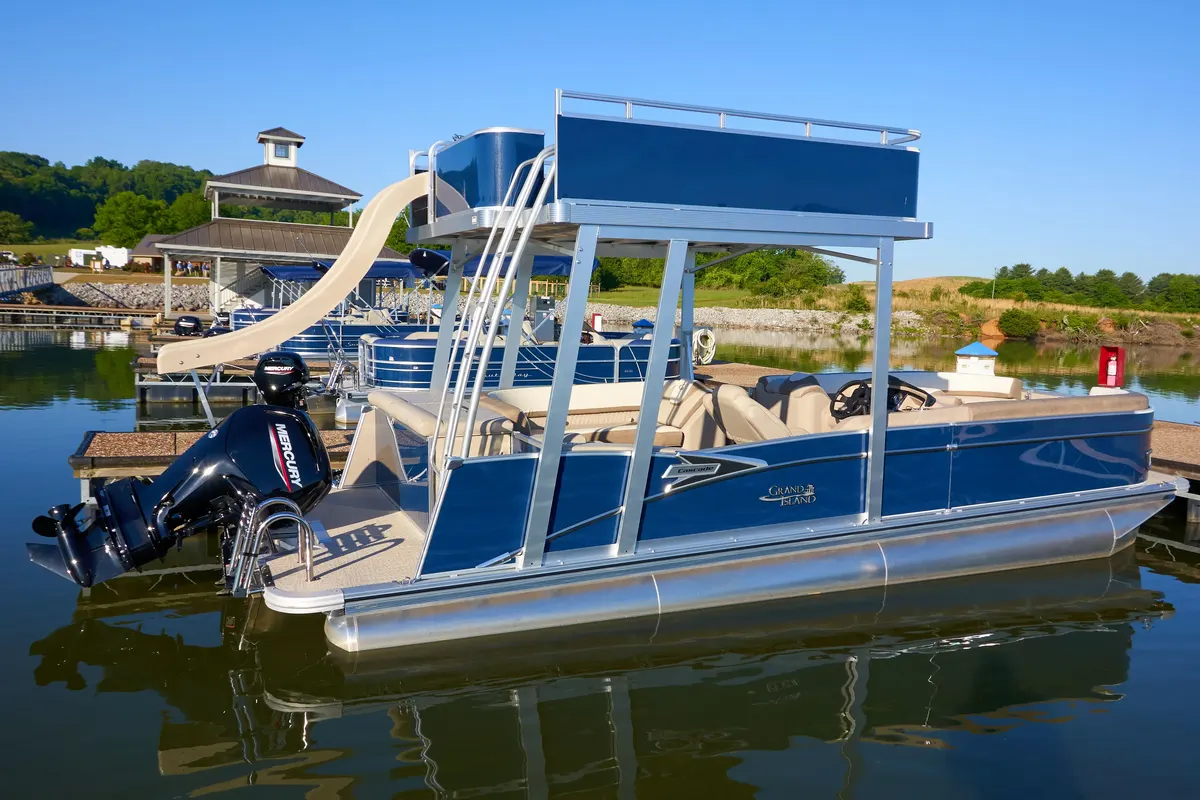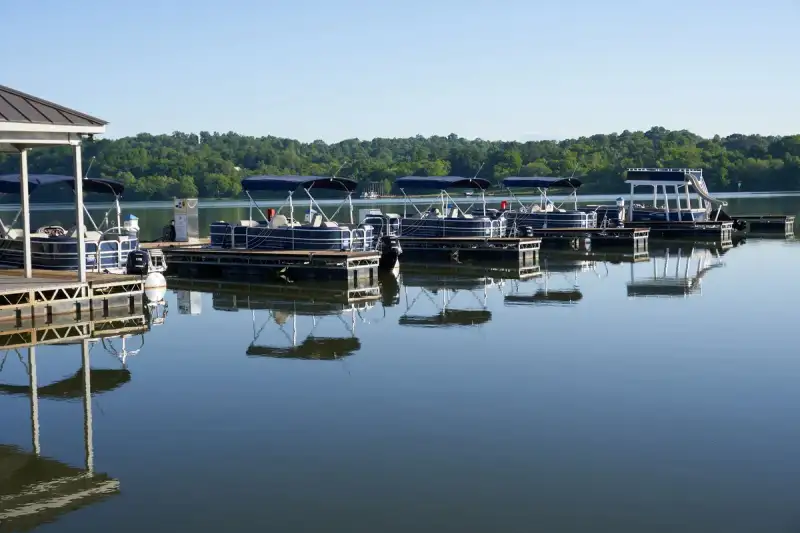
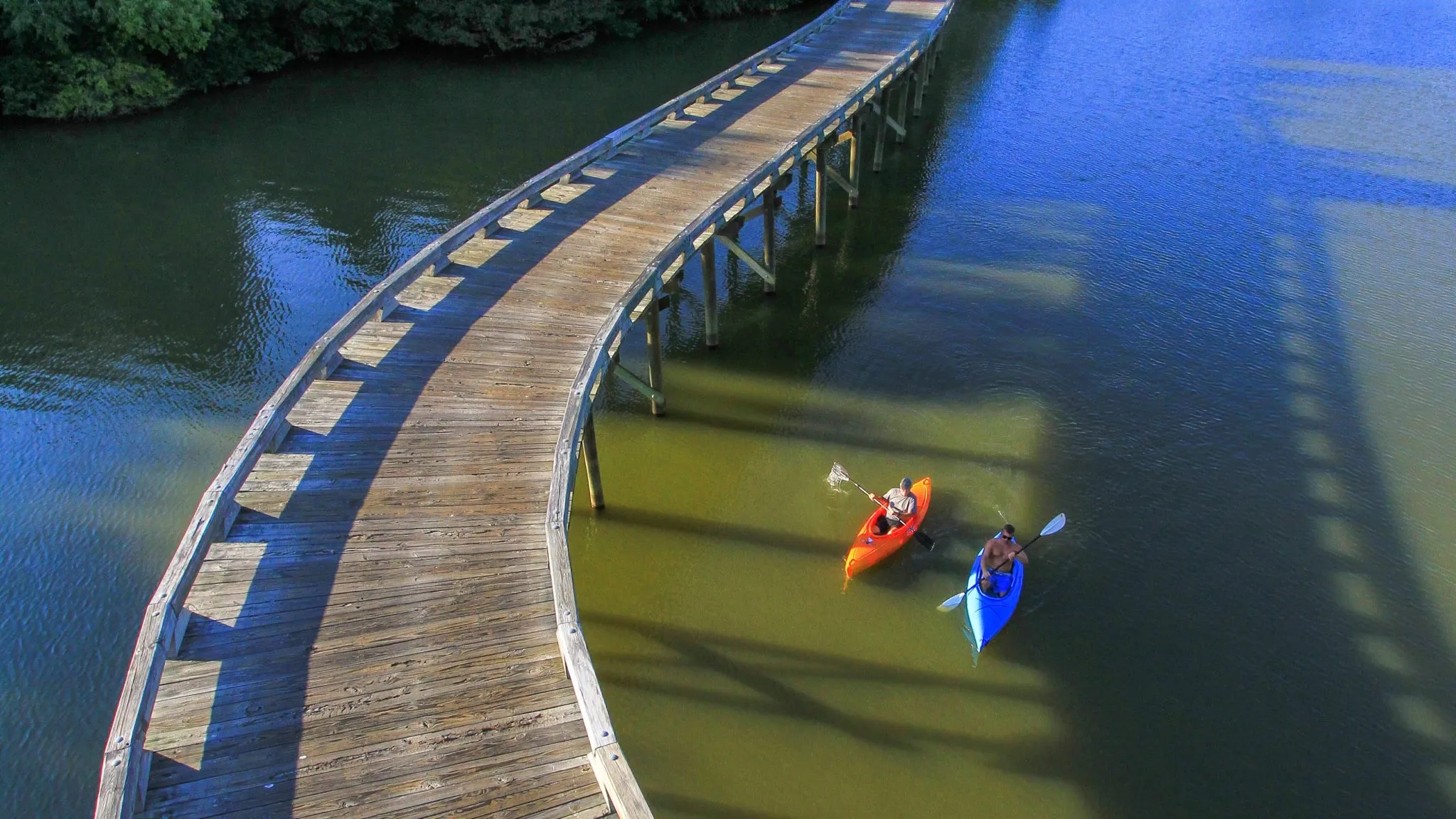
Lakefront living in Tennessee combines the slow rhythm of water-side leisure with the practical comforts of modern communities. The region’s expansive reservoirs, rolling shoreline, and warm hospitality make it a top choice for those seeking a boating-centered life. This guide explores what to expect when moving to or investing in Tennessee lakefront property, highlighting boating culture, real estate considerations, maintenance, and lifestyle opportunities.
Why Choose Tennessee for Boating?
Tennessee’s network of reservoirs and lakes offers more than just scenic views. The state’s waterways were designed for multiple uses: flood control, hydroelectric power, recreation, and wildlife habitat. Many lakes feature long, winding shorelines with coves and inlets that create private-feeling spaces even in popular areas.
Accessibility is another draw. Major interstates and regional airports make Tennessee’s lakes reachable from nearby metropolitan areas. For weekend boaters and seasonal residents, this balance of convenience and natural beauty is a compelling combination.
Climate and Watersport Seasons
The climate supports a long boating season. Summers are hot and humid—perfect for wakeboarding, tubing, and late-night cruises—while spring and fall provide milder conditions that attract anglers and sightseers. Winters are generally mild in much of the state, though occasional cold snaps can limit year-round boating in northern regions.
Economic and Cultural Appeal
Tennessee’s cost of living and tax structure are attractive to retirees and families alike. There is no state income tax on wages, which often factors into retirement planning and second-home purchases. Culturally, lakeside communities tend to be tight-knit, with a strong emphasis on outdoor recreation, local events, and volunteer-driven organizations focused on conservation and safety.
Popular Tennessee Lakes for Boating
Several lakes stand out for their boating amenities, shoreline development, and access to services. Choosing the right lake depends on priorities—whether the focus is on high-energy watersports, quiet fishing coves, or upscale lakefront developments.
Upper and Lower Tennessee River Reservoirs
The Tennessee River system includes a series of reservoirs that provide extended cruising routes and plentiful marina infrastructure. These lakes offer long stretches of navigable water and are often dotted with islands and sandbars that invite weekend anchoring and picnics.
Lakes Created by TVA
The Tennessee Valley Authority (TVA) manages many major lakes and has invested in public access, boat launches, and shoreline stabilization projects. These lakes frequently have extensive recreational facilities, with conveniences such as courtesy docks, campgrounds, and picnic areas that support a robust boating community.
Smaller Lakes and Private Communities
Smaller reservoirs and privately developed lakes cater to those seeking quieter settings or gated lakefront living. These communities often include homeowners’ associations that manage docks, common areas, and shoreline rules, making them appealing to people who prioritize a managed, well-kept environment.
Choosing Lakefront Property: Real Estate Considerations
Buying on the water requires attention to unique factors beyond conventional home purchases. Shoreline composition, floodplain status, dock permits, and access to utilities all influence property value and lifestyle.
Shoreline and Water Depth
A gradual shoreline with deeper water near the dock simplifies boat access and provides safer year-round mooring. Rock, sand, and silt differ in how they affect shoreline erosion and maintenance costs. Properties with natural tree lines or rock outcroppings often offer better protection against wind and wave action.
Zoning, Permits, and HOA Rules
Zoning and permitting rules vary across counties and lake management authorities. Dock construction often requires a permit and adherence to setback or size limits. Homeowners’ associations and lake management districts may impose additional rules about boat types, dock maintenance, and shoreline alterations.
Insurance and Floodplain Risk
Insurance policies for lakefront homes typically include considerations for flooding, wind damage, and liability related to docks and watercraft. Properties in federally designated floodplains may require elevated construction, flood insurance, or covenants that influence resale value. It is wise to obtain elevation certificates and consult local insurers who specialize in waterfront homes.
Dock Design, Maintenance, and Mooring
A well-planned dock is central to lakefront living and boating convenience. Design choices affect usability, safety, and long-term maintenance costs. Proper construction and routine upkeep can prevent costly repairs and preserve waterfront access.
Dock Types and Materials
Common options include floating docks, fixed-pile docks, and boat slips within private marinas. Materials range from treated wood and composite decking to aluminum frames. Floating docks adapt to water-level changes but may require more winterizing in areas with ice. Aluminum and composite materials resist rot and often reduce maintenance time.
Mooring Safety and Equipment
Proper mooring includes using quality lines, fenders, and an arrangement that accommodates wind and current changes. Quick-release shackles, snubbing lines, and split rings can protect both boat and dock during storms. For larger vessels, pilings and cleats should be sized and set according to vessel weight and local regulations.
Seasonal Upkeep and Winterizing
Seasonal maintenance prevents long-term damage. Tasks include checking for loose hardware, treating wood, cleaning algae and mildew, and inspecting flotation devices. Winterizing boats and docks—when necessary—reduces the risk of ice damage and extends equipment lifespan.
Boating Culture and Community Life
Boating in Tennessee centers around more than vessels and gear; it is a social lifestyle. Local clubs, regattas, charity events, and lakeside festivals create opportunities to meet neighbors, swap tips, and engage in volunteer initiatives that protect waterways.
Marinas, Clubs, and Services
Marinas provide fuel, service, winter storage, and social hubs. Many marinas host classes on navigation, safety, and boat maintenance. Boating clubs and yacht clubs organize cruises, racing, and social gatherings, fostering a sense of community and shared stewardship.
Events and Seasonal Traditions
Waterfront communities often celebrate with fireworks, cookouts, fishing tournaments, and holiday parades on the water. These events attract residents and tourists alike, supporting local businesses and reinforcing the lakeside economy.
Safety, Regulations, and Responsible Boating
Safety is a cornerstone of enjoyable lake life. Familiarity with local regulations, safe operation practices, and emergency planning is essential for boaters of all experience levels.
Required Equipment and Boater Education
Personal flotation devices (PFDs), visual distress signals, navigation lights, and sound-producing devices are frequently required. Many states require boating education courses for certain age groups or for operating specific vessels. These courses cover navigation rules, alcohol-impaired boating hazards, and environmental protections.
Speed Zones, No-Wake Areas, and Right-of-Way
Respecting speed zones and no-wake areas preserves shoreline stability and reduces hazards near marinas and swimming areas. Right-of-way rules prevent collisions and keep traffic flowing safely on narrow channels and near congested ramps.
Environmental Stewardship
Responsible boaters avoid transferring invasive species, use proper fueling techniques to reduce spills, and dispose of waste at designated facilities. Many communities host clean-up days, and participation helps maintain water quality and wildlife habitat for future generations.
Everyday Lakefront Living: Practical Tips
Day-to-day living by the water requires small adjustments to routines and home maintenance. Attention to landscaping, pest control, and utilities improves comfort and minimizes surprises.
Landscaping and Erosion Control
Native plantings help stabilize banks and provide habitat. Retaining walls, riprap, and bioengineering techniques can manage erosion without harming aquatic ecosystems. Landscaping choices should balance aesthetics with long-term shoreline stability.
Pest and Wildlife Considerations
Waterfront homes attract insects, waterfowl, and sometimes larger wildlife. Installing screens, managing standing water, and securing trash reduces unwanted visits. Respectful coexistence with wildlife promotes a healthy lake environment.
Utilities and Waste Management
Septic systems, well water, and power reliability are common considerations in shoreline areas. Regular septic inspections and proper household chemical disposal prevent contamination. Backup power plans can keep pumps and refrigeration functioning during storms or outages.
Seasonal Activities Beyond Boating
Living on a lake opens up activities beyond powerboating. Fishing, paddle sports, birdwatching, and shoreline hiking offer low-impact ways to enjoy the outdoors year-round. Many lakes have nearby trails, parks, and access points for kayaks, canoes, and stand-up paddleboards.
Fishing and Wildlife Observation
Anglers appreciate Tennessee’s bass, crappie, and catfish. Early mornings and late evenings yield the best action, while fall patterns can bring trophy-size fish into shallow feeding areas. Birdwatchers find herons, eagles, and migratory waterfowl along many shorelines.
Paddle Sports and Quiet Recreation
Paddling invites quiet exploration of coves and shallow flats that larger boats cannot reach. These low-impact activities are family-friendly and provide exceptional opportunities for photography and close-up wildlife encounters.
Community Services, Schools, and Healthcare
Lakefront homeowners often evaluate nearby schools, medical facilities, and grocery access when choosing a community. The balance between rural charm and essential services influences daily life and long-term planning.
Local Infrastructure and Accessibility
Proximity to highway routes and regional centers affects commute times and access to specialized services. Some lake communities are minutes from hospitals and schools, while others are a longer drive away. Factoring in travel time for work, education, and healthcare helps ensure routines remain practical.
Community Organizations and Volunteer Services
Volunteer fire departments, search-and-rescue teams, and neighborhood watch groups often play significant roles in lake communities. Participation in these organizations strengthens safety networks and creates social bonds among residents.
Conclusion: Balancing Freedom and Responsibility
Lakefront living in Tennessee offers a unique blend of recreation, scenic beauty, and community. A successful transition to this lifestyle requires planning for property nuances, investing in safe boating practices, and participating in community stewardship. With thoughtful choices—about docks, maintenance, and neighborhood involvement—lake life can be both invigorating and sustainable.
The lakes of Tennessee invite a lifestyle that emphasizes time outdoors, shared experiences, and a connection to water that becomes a central part of daily living. Whether drawn by the call of early-morning fishing, the social rhythm of marina life, or the simple pleasure of watching sunsets from a private dock, the boating lifestyle in Tennessee rewards those who respect the water and the communities that depend on it.
Discover Lakefront Luxury at Tennessee National
Embrace the boating lifestyle you’ve dreamed of at Tennessee National, a premier gated community offering stunning lakefront living with exceptional amenities. From a Greg Norman Signature Golf Course and private marina to waterfront dining and vibrant social clubs, Tennessee National provides everything needed for resort-style living in the heart of Tennessee. Whether you prefer a move-in ready home or a custom build, your perfect lakeside retreat awaits. [