
Connecticut homeowners are moving. Quietly, steadily, and mostly south. The trigger is almost always the same: property taxes, state income tax, and a long winter that stopped feeling charming after the fifth nor’easter.
Tennessee keeps showing up on the short list. Here’s what actually changes when you trade Fairfield County or Hartford for East Tennessee.
The tax math is hard to ignore
Connecticut has a graduated income tax that tops out near 6.99%. Tennessee has no state income tax. None. Not on wages, not on retirement income, not on Social Security, not on pension payouts.
On $250,000 of retirement income, that’s roughly $15,000 back in your pocket. Every year. Compounded over a 20-year retirement, you’re looking at well over $300,000 you keep instead of sending to Hartford.
Property taxes tell the same story. Greenwich, Westport, and West Hartford homeowners routinely pay $20,000 to $40,000 a year in property taxes. Loudon County, Tennessee, averages about 0.57% of assessed value. A $900,000 lakefront home here generates a property tax bill closer to $5,100.
That’s not a typo. That’s the actual gap.
Add in sales tax (Tennessee is higher at 9.75% combined, but it applies to fewer categories for older buyers) and the net still favors Tennessee by five figures annually for most households.
Home equity goes further — a lot further
The median home price in Connecticut sits north of $450,000. In Fairfield County and along the Gold Coast, it’s far higher. That same money buys a meaningfully bigger home in East Tennessee, often with water or mountain views.
Some specifics:
- $600,000 in Connecticut buys a 1980s Colonial on a small lot with high taxes. In Loudon County, it buys a newer custom home with 3,000+ square feet and acreage.
- $1.2M in Fairfield County buys a mid-range suburban home with a long commute. The same money on Watts Bar Lake buys a waterfront home with a private dock and mountain views.
- $2M in Greenwich gets you “nice, not extraordinary.” In Tennessee National, that’s estate-tier with a lake lot, private slip, and room to host the whole family.
If you’re sitting on a long-held Connecticut home, your equity doesn’t just transfer. It expands what you can afford to a level most Connecticut buyers never reach in their home state.
The weather you’d actually enjoy
Connecticut winters are real. Four to six months of cold, ice, and shoveling. Spring comes late. Summer is short.
East Tennessee averages about 220 sunny days a year. Winters are mild — daytime highs in the 40s and 50s through most of January and February. Snow happens, but it’s measured in inches per season, not feet per storm.
Spring starts in March. The dogwoods and redbuds bloom early. Golf season runs from late February through November. Boating is realistic from April through October.
You’ll trade a snowblower for a kayak. For most Connecticut transplants, that trade is permanent.
What you’ll actually miss (be honest)
No sugarcoating here. Some things about Connecticut are genuinely hard to replace.
- The coast. Long Island Sound is not Watts Bar Lake. If your heart is tied to salt air, you’ll feel the difference. Tennessee’s lakes are beautiful, but they’re different.
- Ivy-tier healthcare density. Yale-New Haven and Hartford Hospital are world-class. East Tennessee has solid care — University of Tennessee Medical Center in Knoxville is a Level 1 trauma center — but the academic medical density is lower.
- Proximity to New York. Train rides to Manhattan disappear. Knoxville’s airport (TYS) is 35 minutes from Loudon and flies direct to most major hubs, but it’s not Metro-North.
- Some favorite restaurants. East Tennessee has a real food scene now — Knoxville especially — but you may miss specific places. That’s honest.
None of these are dealbreakers for most movers. But pretending they don’t exist is how people end up regretting the move six months in.
Why Loudon County keeps landing on the short list
Loudon County sits 35 minutes from Knoxville, under an hour from the Great Smoky Mountains, and directly on Watts Bar Lake. It’s close enough to a real city for hospitals, flights, and culture — far enough that the pace actually slows down.
Taxes are low. Lake access is everywhere. The people are warm in a way Northeasterners sometimes find disarming at first.
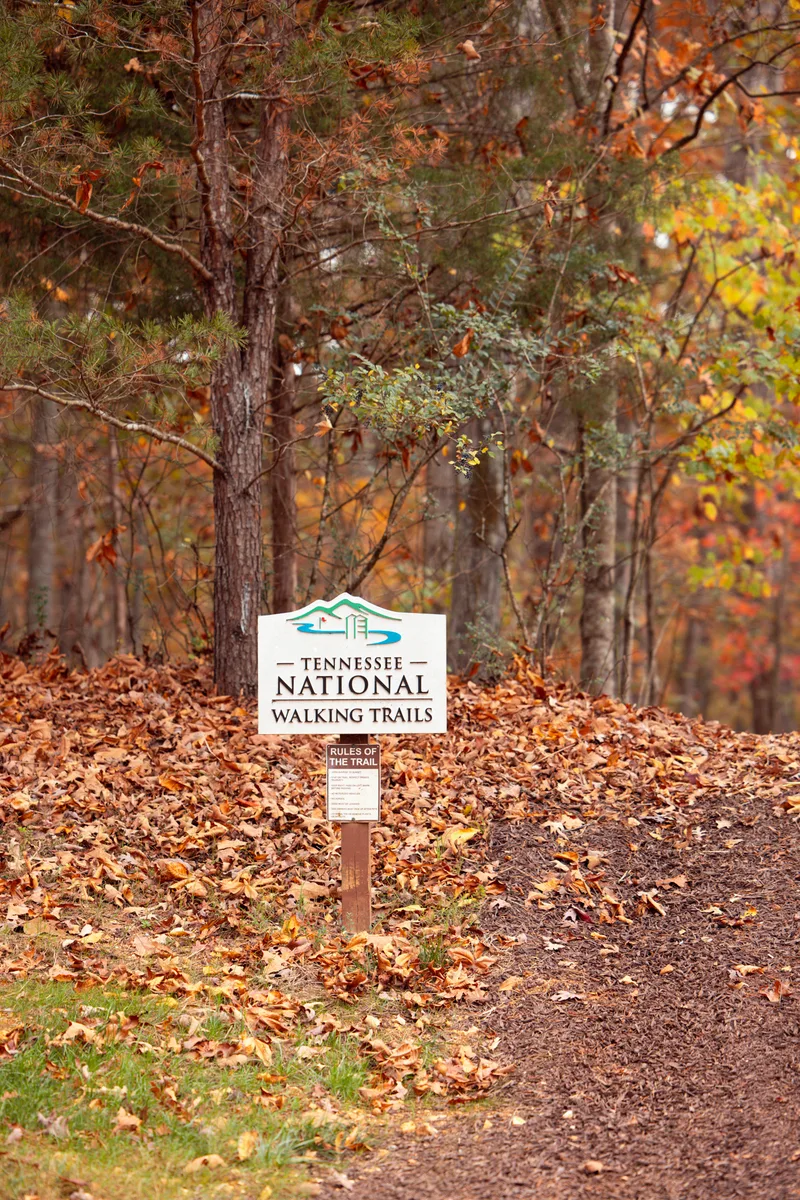
Tennessee National sits on Watts Bar Lake with a championship golf course, a private marina with covered and uncovered slips, and a social calendar built for people in their 50s, 60s, and 70s who want neighbors, not isolation. A lot of residents came from the Northeast — Connecticut, New York, New Jersey, Massachusetts — and the community has a built-in network of people who’ve already made the move.
The real question
It’s not whether Tennessee is cheaper than Connecticut. The math answers that. It’s whether the lifestyle fits.
Come visit before you commit. Spend three days. Drive the county. Eat at the local spots. Walk a fairway. Watch a sunset over the lake from the clubhouse patio.
If it feels right, you’ll know. Most people do.