
Choosing a golf course near a lake can transform an ordinary round into a memorable day of shimmering views, cooler breezes and strategic play. Water hazards become more than obstacles; they shape the character of each hole and reward thoughtful shots. This guide helps identify what really matters when searching for the best lakeside golfing experience, from course design and maintenance to amenities, pace of play and how to read the water.
Why a Lake Makes Golf Better
A lake adds more than visual appeal. It changes microclimates, often producing gentler winds and cooler temperatures during hot months. The presence of water also introduces unique hazards and strategic choices that test shot-making, club selection and course management.
Views are a big part of the draw. Holes routed along shorelines deliver panoramic vistas and a calm, restorative atmosphere. Even for players who prefer function over scenery, courses near lakes frequently invest in high-quality turf and landscaping to complement the natural setting.
Additionally, lakes can serve as natural wildlife habitats that enhance the golfing experience by offering glimpses of birds, fish, and other fauna. This interaction with nature can provide moments of pause and reflection, enriching the overall enjoyment of the game. The sound of gentle water lapping against the shore or the distant calls of waterfowl can make rounds feel more serene and immersive.
From a design perspective, water bodies allow architects to incorporate a variety of creative features such as island greens, split fairways, and dramatic tees perched above the waterline. These elements not only elevate the aesthetic but also increase the challenge, forcing players to carefully weigh risk versus reward with every shot. Consequently, lakeside courses often become memorable destinations for golfers seeking both beauty and strategic depth.
Course Design: How Lakes Shape the Layout
Design plays a significant role in how a lakeside course feels and plays. Some architects use the lake as a backdrop, creating scenic but forgiving holes. Others integrate the water aggressively, forcing carries, angled shots and precise approaches.
Pay attention to hole variety. The best courses balance risk-reward holes that flirt with the water, with safer, more forgiving holes that allow recovery. A thoughtful routing preserves the natural shoreline while offering distinct challenges on each nine.
Water Hazards vs. Strategic Water
Not all water is created equal. Strategic water is placed where it influences decisions — deciding whether to lay up or attack, testing carry distance or penalizing mis-hits. Decorative water may look beautiful but contribute little to play. Ideally, the lake should do both: enhance aesthetics and shape strategy.
Moreover, successful lakeside courses often take advantage of the lake’s changing conditions throughout the day. Shifting sunlight reflects off the water, creating glare or shadow that can subtly impact a player’s perception and club selection. Wind patterns around the lake also add a dynamic layer; gusts funneled by the shoreline can alter ball flight unpredictably, demanding both respect and adaptability from golfers.
Environmental considerations also shape design decisions. Designers strive to minimize erosion and protect wildlife habitats by carefully positioning tee boxes, fairways, and greens away from sensitive areas. Incorporating native vegetation buffers not only preserves the ecosystem but also enhances the course’s natural beauty and challenge, as thick roughs and wetlands come into play near the water’s edge.
Maintenance and Conditioning
Great lakeside courses invest in turf health, shoreline stabilization and drainage. Proximity to a lake can help with irrigation, but it also means dealing with humidity, algal runoff and seasonal water level changes that affect playability.
Inspect fairway health, green speed consistency and bunker maintenance. Well-maintained tees and approaches make the round feel fair and playable, while poor conditioning can turn a scenic course into a frustrating experience.
Green Complexes and Microclimate Effects
Greens near lakes often respond differently to weather. Morning dew can be heavier, and afternoons may bring softening if the lake affects humidity. Look for courses that manage green complexes with adequate drainage and thoughtful turf choices to maintain consistent speed and firmness.
Amenities That Complement a Lakeside Experience
A true lakeside golf outing involves more than the course. Look for facilities that enhance the day: quality practice areas, a clubhouse with lakeside views, food and beverage options, and rental equipment for spontaneous guests.
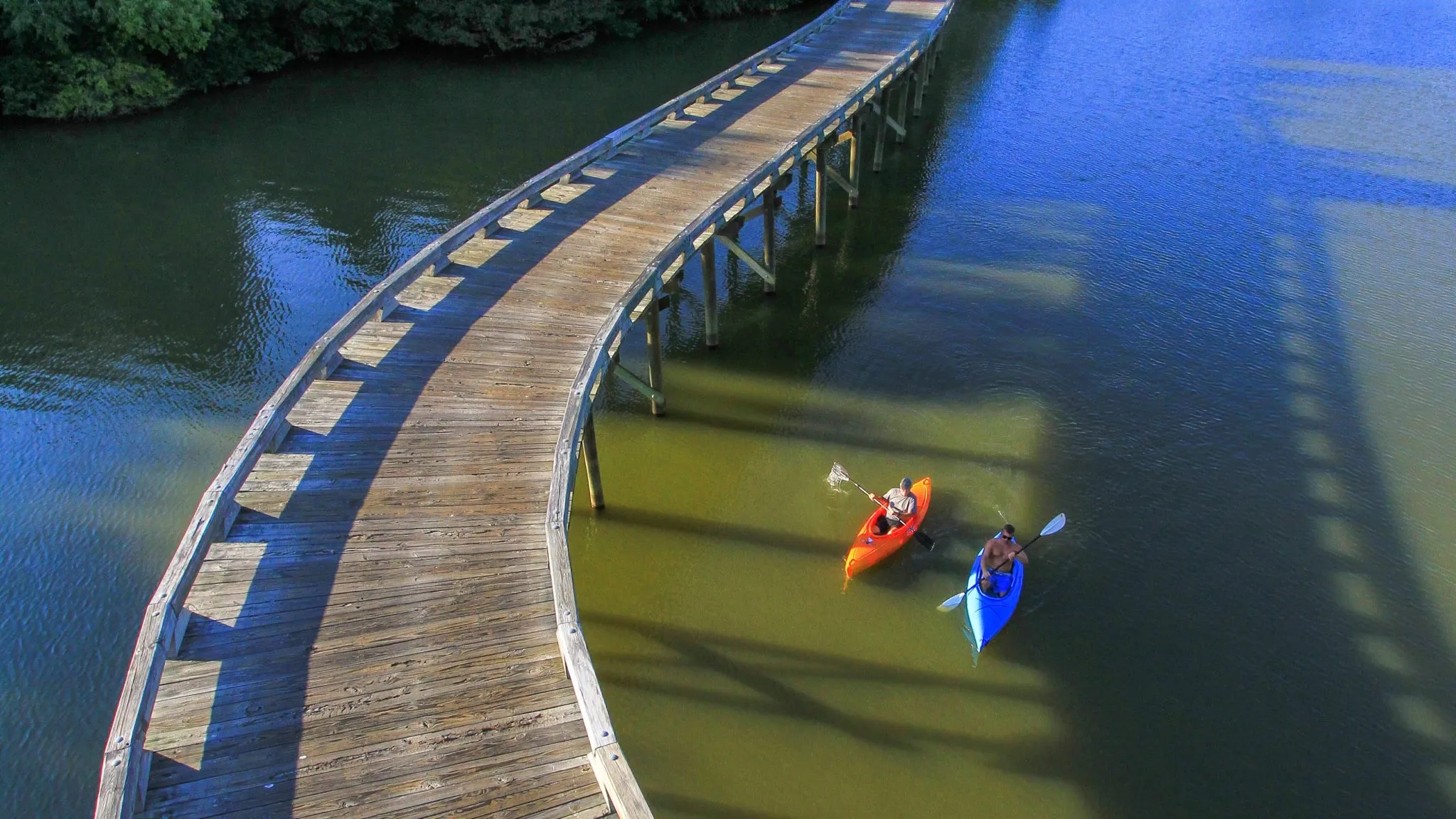
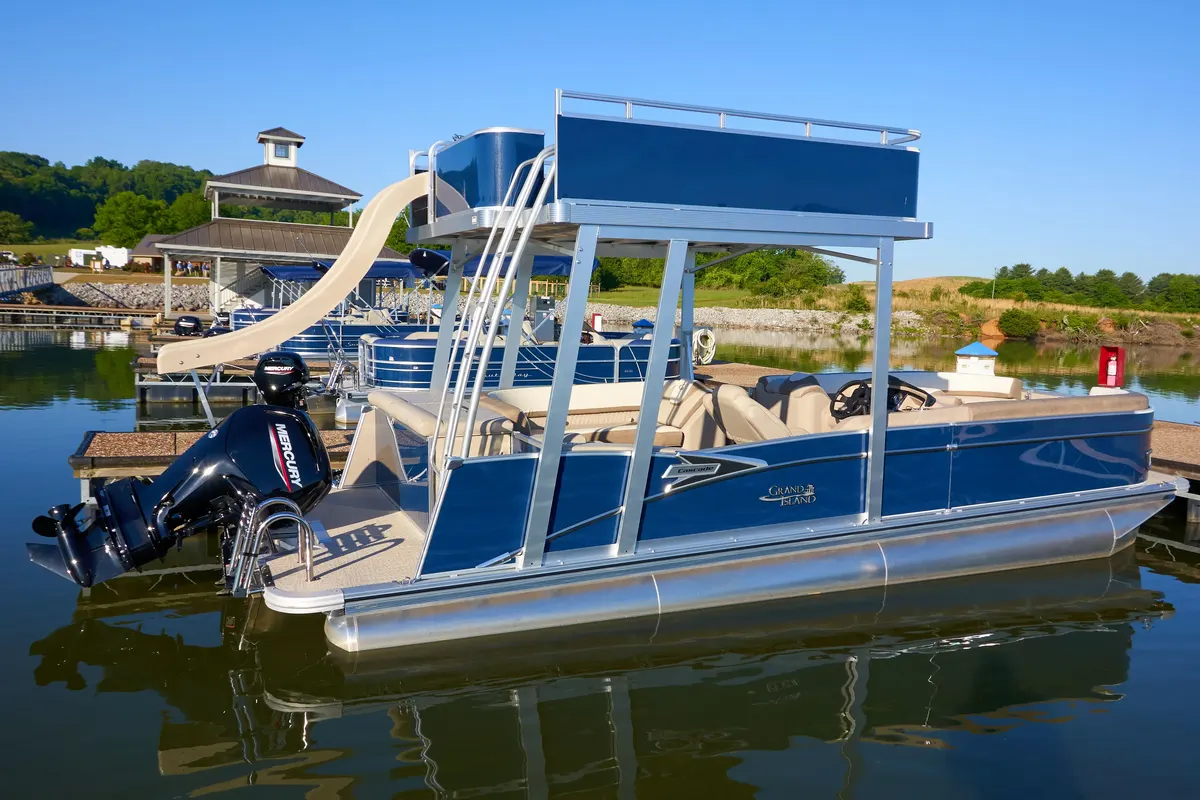
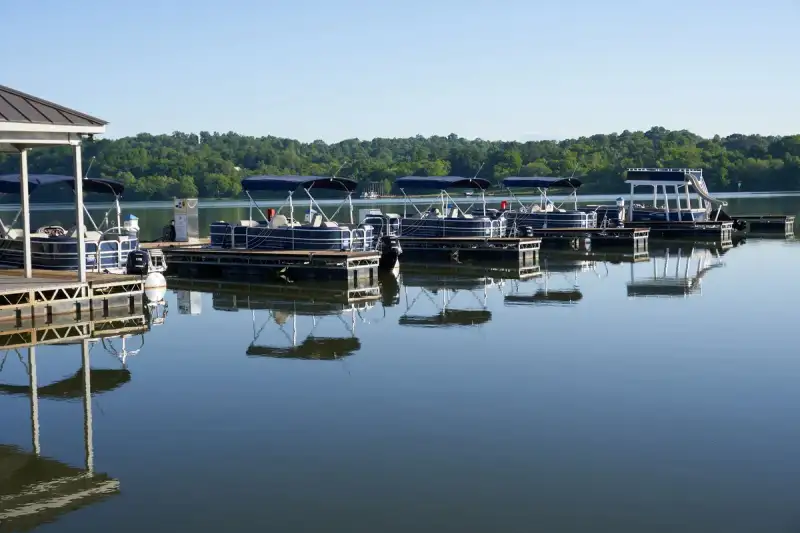
Consider additional recreational offerings. Some venues include walking trails, boat access, or picnic areas that allow non-golfing companions to enjoy the lake while golfers play. Family-friendly amenities and junior programs can also make the facility a community hub.
Clubhouse and Dining Options
A clubhouse with panoramic lake views elevates the experience. Post-round meals taste better when paired with sunset reflections on the water. Seek courses that prioritize locally sourced menus, outdoor seating and efficient service to round out the day.
Pace of Play and Course Management
Pace of play matters more on scenic courses that attract larger crowds and tourists. A well-managed lakeside course balances tee time spacing, marshaling and course setup to avoid bottlenecks and ensure a smooth round.
Look for online tee time systems, cart GPS with pace tracking, and staff who communicate clearly about expected round length. These factors indicate that the facility values guests’ time and comfort.
Accessibility and Location Considerations
Proximity to urban centers, parking, and ease of driving to the course influence how often it can be enjoyed. A picturesque lakeside gem that’s a long, complicated drive may be better reserved for special occasions rather than regular play.
Consider seasonal access. Some lakeside courses are affected by rising water or winter closures. Verify year-round availability if consistent access matters, and check whether the course limits play during high-water periods.
Public vs. Private Courses
Public courses offer flexibility and typically lower costs, while private clubs may provide enhanced maintenance, exclusivity and quieter tee times. Semi-private options can blend both approaches, allowing guest play with membership perks. Choose the model that fits frequency of play and budget.
Reading Reviews and Seeking Recommendations
User reviews provide valuable insight into real experiences — especially regarding customer service, course conditioning and whether the lake enhances or complicates play. Look for patterns rather than single outlier comments.
Ask local golfers for recommendations. They can reveal nuances like best tee boxes for views, days with lighter traffic, or which caddies and pro shop staff make the experience better. Local knowledge often surfaces useful tips unavailable in official descriptions.
Booking Tips for Peak Views and Quiet Rounds
Timing affects the experience. Early morning tee times deliver calmer winds, cooler temperatures, and often the best light for shoreline views. Late afternoon or sunset rounds can be striking but may encounter increased wind as the day cools.
Weekdays generally bring lighter play and more flexibility. If weekends are the only option, look for first- or last-tee times to avoid mid-day congestion. Consider booking twilight rates for a discounted, relaxed round with lingering lakeside light.
What to Pack for a Lakeside Round
Bring sun protection and layered clothing. Lakes can produce glare on sunny days and sudden breezes that make temperatures feel cooler, so a lightweight wind layer and polarized sunglasses are useful. Water-resistant shoes and a hat with a brim also help when walking wet terrain near the water’s edge.
Extra balls and a ball retriever might be wise if the course features many shoreline carries. Carry a small towel and an extra glove; lakeside humidity can affect grip, and being prepared reduces distractions during play.
Etiquette Around the Water
Respect wildlife and shoreline vegetation. Ducks, geese, and other animals frequently inhabit lakeside courses; avoid disturbing nests and maintain distance. Stick to designated walkways and bridges to prevent erosion and protect native plants.
Repair divots and rake bunkers. Wet conditions near the lake can leave turf vulnerable — taking care to repair the course keeps it playable for everyone. Follow local signage about where carts are allowed, as certain shoreline paths may be restricted to preserve fragile edges.
Weather, Safety and Environmental Considerations
Monitor weather closely. Lakes can create localized storms and sudden fog banks that reduce visibility. Most courses will have clear protocols for lightning delays and shelter locations — obey those rules for safety.
Environmental stewardship is important. Many courses implement shoreline restoration, native plant buffers and integrated pest management to protect water quality. Supporting venues that prioritize sustainability helps preserve the lake and the course for future enjoyment.
Choosing the Right Lakeside Course for Your Game
Match course difficulty to skill level. Beginners often fare better at courses where the lake decorates rather than dominates play, while advanced players may enjoy aggressive lake carries and tight approach funnels. Evaluate tee options and yardage flexibility to ensure the layout suits companions with varying abilities.
Consider the full package: course design, conditioning, amenities, pace of play and accessibility. The best lakeside experience balances challenge and beauty without sacrificing fair play or comfort. Ultimately, the right course fits both the desired golfing challenge and the atmosphere sought for the day.
Final Checklist Before Booking
Confirm tee time availability and cancellation policies. Check current course conditions and any seasonal advisories related to water levels. Look into rental options, cart availability and whether caddie services are offered for a more guided lakeside experience.
Contact the pro shop with any questions about local rules or special events that may affect play. Arriving informed ensures a smooth day on the course and maximizes enjoyment of the lake’s natural backdrop.
Wrap-Up: Enjoying the Water’s Edge
A great golf course near the lake combines thoughtful design, attentive maintenance and respectful stewardship of the shoreline. Whether seeking serene vistas or strategic tests of skill, the lakeside setting offers a unique blend of beauty and challenge. Planning ahead and choosing a course that aligns with priorities — scenery, difficulty, amenities or family-friendliness — makes for rounds that are as rewarding as they are memorable.
Discover Your Perfect Lakeside Golf Lifestyle at Tennessee National
Combine your passion for exceptional lakeside golf with luxurious living at Tennessee National. Enjoy exclusive access to a Greg Norman Signature Golf Course set within a premier gated community, complete with a private marina, waterfront dining, and over 20 member amenities. Whether seeking a move-in ready home or a custom build, Tennessee National offers a lifestyle designed to enrich every day. [