
Moving to a new city with a family is a major life decision, and East Tennessee offers a range of towns and suburbs that make that transition easier. Among the region’s many appealing options, one community stands out for its blend of friendly neighborhoods, strong schools, accessible outdoor recreation, and practical amenities that matter most to families. This article explores what makes this community special, the neighborhoods to consider, local schools and childcare options, activities for kids and adults, housing and cost-of-living details, and tips for a smooth relocation.
Why Families Choose This Community
What draws families to East Tennessee often goes beyond a single attribute; it’s the combination of safety, community cohesion, and proximity to both nature and urban resources. This community embodies those qualities with quiet, tree-lined streets, active neighborhood associations, and a palpable sense of neighborly connection. Residents frequently point to evening walks, block parties, and volunteer-supported festivals as examples of everyday life that make the area feel welcoming.
Practical considerations also play a role. Commute times into nearby employment centers are reasonable, with multiple routes that avoid the gridlock found in larger metro areas. Health care facilities are nearby and well-regarded, offering pediatric care and family medicine within a short drive. The availability of groceries, pharmacies, and child-friendly retail without long trips helps families balance work and home life more easily.
Additionally, the community boasts a strong educational network, with several highly-rated public and private schools serving the area. Many parents appreciate the small class sizes and the range of extracurricular activities available, from sports leagues to arts programs, which help foster well-rounded development. Local libraries and community centers also offer enriching opportunities, such as story times, science workshops, and family fitness classes, creating engaging environments for children and parents alike.
For outdoor enthusiasts, the community’s location near the foothills of the Smoky Mountains offers unparalleled access to hiking trails, picnic areas, and wildlife viewing spots just minutes from home. Seasonal farmers markets and community gardens promote a farm-to-table lifestyle, encouraging health and sustainability. These natural amenities combine with the welcoming social fabric to create a lifestyle that many families find both physically and emotionally nourishing.
Top Neighborhoods to Consider
Family-Friendly Subdivisions
Several subdivisions within the community earn high marks for safety and amenities. These neighborhoods typically feature cul-de-sacs, sidewalks, and yards that accommodate play. Many show a commitment to maintaining green spaces, with small parks or playgrounds nestled among houses. Developers often designed these areas with families in mind, adding community centers or pools that foster social interaction and provide convenient recreational options.
Walkable Historic Districts
Historic districts offer a different vibe, combining mature trees, older homes with character, and proximity to downtown shops and eateries. For families that prefer shorter walks to coffee shops, libraries, and weekend farmers markets, these areas provide a lifestyle that blends convenience with charm. Renovated homes and careful preservation work keep the historic appeal while modern upgrades make them practical for today’s needs.
Newer Developments with Amenities
Newer developments in the community cater to modern family preferences: open floor plans, energy-efficient features, and on-site amenities like playgrounds, sports courts, and walking trails. These planned communities often host events like outdoor movie nights and holiday gatherings that accelerate the social-integration process for newcomers. For families seeking turnkey conveniences and a built-in social calendar, these neighborhoods present a compelling option.
Schools, Childcare, and Youth Programs
Public and Private School Options
Quality schools are a central concern for relocating families. This community is served by well-rated public schools, from elementary through high school, with a record of solid test scores and active parent-teacher organizations. Several private and parochial schools provide alternatives for families seeking specific curricular approaches or faith-based education. Many schools have strong extracurricular programs—sports, music, theater—that round out the student experience.
Childcare and Early Education
Childcare availability is robust, offering everything from in-home daycare to larger early-learning centers. Many childcare providers work closely with local schools to ease the transition into kindergarten and provide recommended early literacy and numeracy programs. For infants and toddlers, several licensed centers emphasize low child-to-caregiver ratios and developmentally appropriate activities, giving working parents options that support both professional and parental responsibilities.
After-School and Summer Programs
After-school programs are plentiful, including recreational leagues, homework clubs, and arts-based options. Local parks and community centers organize summer camps that focus on outdoor skills, science and technology, and creative arts, often with sliding-scale fees or scholarship options. These programs not only provide supervision during the working hours but also help children make friends and develop new interests outside the classroom.
Outdoor Life and Recreation
Parks, Trails, and Greenways
Access to green space is a hallmark of the community. A network of parks and greenways invites families to bike, walk, or picnic on weekends. Some parks include splash pads for younger kids, while others feature disc golf courses, soccer fields, and shaded playgrounds. Well-maintained trails suit strollers and older kids on scooters alike, and seasonal programming—like nature walks and birdwatching events—encourages family engagement with the local environment.
Waterways and Outdoor Adventure
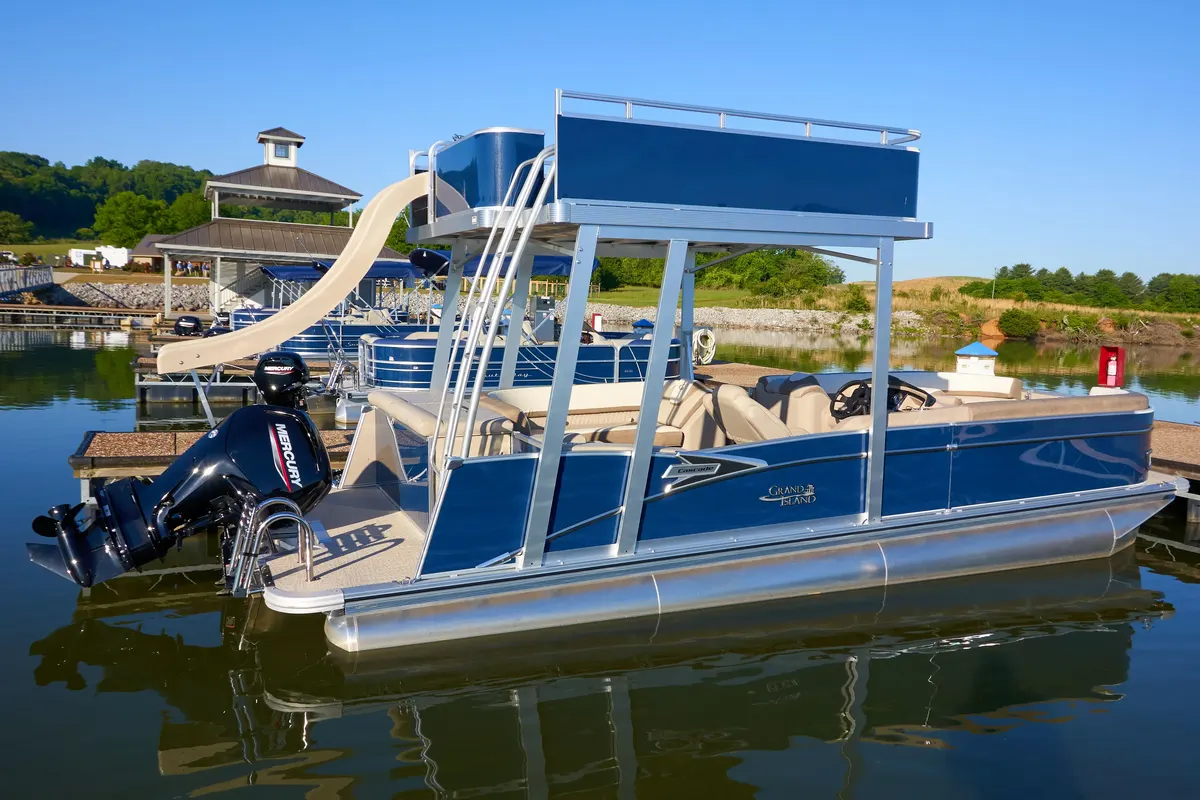
For families that appreciate water-based activities, nearby lakes and rivers offer boating, fishing, and paddleboarding opportunities. Local outfitters provide lessons and rentals, making it easy to try new activities without a heavy investment in equipment. Trails that lead to scenic overlooks and family-friendly campgrounds make weekend escapes straightforward, promoting a culture of outdoor recreation that complements everyday family life.
Sports and Organized Activities
Organized youth sports are a major part of the community’s fabric, with recreational and competitive leagues in soccer, baseball, basketball, and more. Many programs emphasize sportsmanship and skill development over early specialization. Dance studios, martial arts dojos, and community theater groups offer alternative routes for children interested in performance or discipline-based activities, ensuring options for varied interests.
Shopping, Dining, and Community Life
Local Shops and Weekly Markets
A mix of independent shops and familiar chains gives families access to everyday essentials and unique local goods. Weekly farmers markets present fresh produce and artisan items while doubling as social hubs where neighbors meet vendors and each other. Small bookstores, family-owned bakeries, and specialty toy stores lend personality to the local shopping experience and provide kid-friendly destinations for weekend outings.
Restaurants and Casual Dining
Dining options in the community cater to families, offering casual eateries, pizza places, and kid-friendly menus alongside farm-to-table restaurants for parents. Patio seating and outdoor play areas at certain venues create comfortable environments for families dining out. The local food scene often highlights Southern comfort food and locally sourced ingredients, with several establishments known for accommodating dietary preferences and offering children’s portions.
Libraries, Museums, and Cultural Offerings
Libraries host storytimes, family reading events, and educational workshops that support early literacy and parent engagement. Small museums and cultural centers present rotating exhibitions and hands-on programming geared toward children. Seasonal festivals celebrate local history and arts, providing free or low-cost entertainment and reinforcing community identity through music, crafts, and parades.
Housing Market and Cost of Living
Home Types and Price Ranges
The housing market in this community includes a balance of single-family homes, townhouses, and apartment complexes. Entry-level single-family homes appeal to first-time buyers, while established neighborhoods offer larger homes on generous lots. New developments include townhouses and smaller-lot single-family options for those seeking lower-maintenance living. Price ranges are generally more affordable than in large metropolitan centers, making ownership attainable for many family budgets.
Renting vs. Buying Considerations
Renting can be an attractive transitional option, allowing families time to learn the area and choose a permanent neighborhood. Rental inventory ranges from older, character-filled homes to newer apartment communities with amenities like pools and fitness centers. Buying often becomes advantageous for families planning to stay long-term, particularly with historically stable property appreciation and mortgage rates that can make monthly payments predictable compared with inflation-sensitive rent hikes.
Utilities, Taxes, and Everyday Expenses
Utility costs are in line with regional averages, and local taxes reflect the balance of services and lower burden typical of smaller communities. Grocery and childcare costs should be factored into household budgets, but many families find the overall cost of living favorable compared to larger cities in Tennessee or out-of-state comparators. Shopping locally and participating in community programs can also lead to savings and stronger social ties.
Practical Tips for a Smooth Transition
Before the Move
Research local schools and enroll early if possible, as popular programs can have waiting lists. Visit neighborhoods at different times of day to gauge traffic, street lighting, and neighborhood activity. Reach out to neighborhood associations or community Facebook groups to ask questions about day-to-day life and local service providers like pediatricians and plumbers.
During the Move
Prioritize setting up utilities and internet service ahead of arrival; energy providers and ISPs can have scheduled installation waits. Arrange for school records and immunizations to be transferred promptly if children will change schools. Label moving boxes by room and child to simplify unpacking and create a sense of home quickly—favorite toys and bedding make a new environment feel familiar.
After Settling In
Attend local events and library storytimes to meet families with similar-aged children. Volunteer at school PTA events or youth sports leagues to get involved and build social connections. Give the neighborhood time: routines, friendships, and a sense of belonging often develop naturally after a few months of participating in community life.
Conclusion
East Tennessee’s best community for family transplants offers a balanced blend of safety, schools, recreation, and local culture—making it an attractive option for families seeking a place to put down roots. Thoughtful neighborhoods, ample green space, practical amenities, and a welcoming civic life create an environment where children can grow and neighbors become friends. With some planning and community engagement, moving to this area can be the start of a fulfilling family chapter.
Discover Your Family’s New Home at Tennessee National
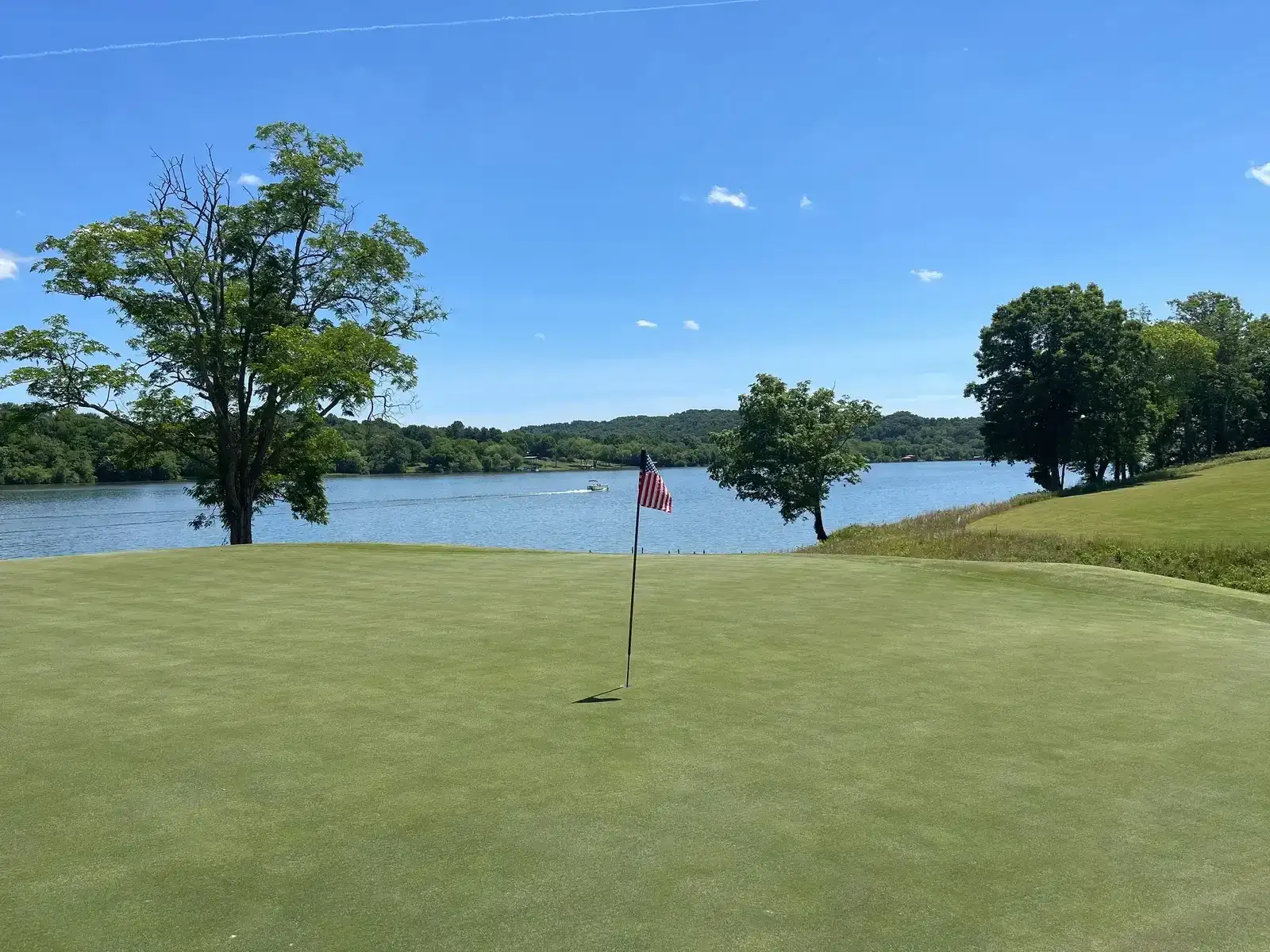
For families seeking a blend of safety, community, and exceptional amenities in East Tennessee, Tennessee National offers the perfect setting. Experience luxury living within a premier gated community featuring a Greg Norman Signature Golf Course, private marina, waterfront dining, and over 20 member amenities designed for all ages. Whether you prefer a move-in ready home or a custom build, Tennessee National provides a lifestyle where families can thrive amid scenic nature trails and vibrant social clubs. [