
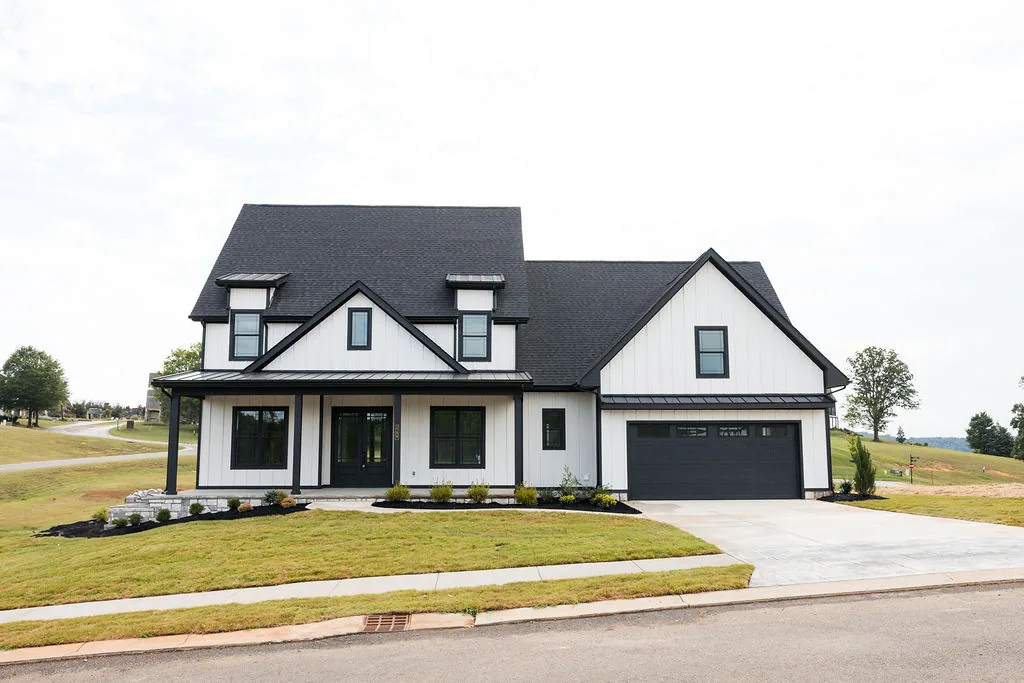
What Are Community Dock Homes?
Community dock homes are residences that share access to a common dock or marina rather than maintaining a private boathouse or pier. These properties often cluster along a shoreline development where boat slips, ramps, and waterfront amenities are shared among owners. The model blends private living spaces with communal waterfront infrastructure, creating a balance between individual ownership and collective management.
In Tennessee, community dock homes appear on many of the state’s lakes and reservoirs. Instead of owning a standalone dock, homeowners purchase a home and either lease or own a membership in a dock association that allocates slips, berths, and shoreline access. This setup can lower costs and responsibilities compared with sole ownership of waterfront improvements.
Beyond cost savings, community dock homes foster a unique social environment. Homeowners often develop close-knit relationships through shared use and maintenance of the docks, organizing events such as fishing tournaments, boating excursions, and seasonal celebrations. This social aspect often appeals to families and retirees looking for both waterfront living and a sense of camaraderie.
Maintenance and management of these shared docks are typically overseen by a homeowners’ association or dock committee, ensuring safety standards and equitable use of resources. Regular assessments, upkeep schedules, and rules governing dock usage help maintain the quality and accessibility of amenities. This communal approach can reduce individual liability and encourage collective stewardship of the waterfront, preserving property values over time.
Why Tennessee Is Ideal for Dock-Shared Living
Tennessee’s geography offers a surprising abundance of lakes carved by rivers and dams, many of which are popular for boating, fishing, and lakeside recreation. Lakes like Norris, Douglas, Tellico, Cherokee, Dale Hollow, Center Hill, and Percy Priest each offer distinct experiences: quiet coves, deep-water channels, trophy bass fishing, or easy access to nearby towns and cities. A community dock arrangement makes it possible to enjoy water access without the full expense and maintenance burden of a private dock.
Additionally, Tennessee’s relatively moderate climate supports an extended boating season compared with many parts of the country. Warm summers are ideal for water sports and fishing, and mild shoulder seasons mean more months of use. For those seeking a second home or year-round residence with regular lake access, community dock homes are an appealing option.
Where to Look: Notable Lakes and Communities
Dale Hollow Lake
Dale Hollow is renowned for clear water and excellent fishing, particularly smallmouth bass. Community dock developments here emphasize nature, shoreline privacy, and larger lot sizes. Many communities lie within easy driving distance of Nashville and Knoxville for weekenders seeking a quieter retreat.
Tellico and Fort Loudoun
The Tellico and Fort Loudoun areas are popular for boating, golf communities, and family-friendly developments. Shared docks in these locales often come with additional amenities like walking trails and community clubhouses, creating a resort-style feel without resort pricing.
Watts Bar Lake (Loudon County)
Watts Bar Lake, in East Tennessee’s Loudon County, is one of the strongest options in the state for community dock living. It carries about 80 miles of navigable shoreline, holds a stable summer pool, and sits just 35–40 minutes from downtown Knoxville. This is where Tennessee National — a 1,492-acre gated waterfront golf community — offers the model in its most complete form: homeowners get marina access and boat slips on Watts Bar without owning or maintaining a private dock, alongside a Greg Norman signature 18-hole course and over 300 built homes. Single-family HOA dues run $150/month, and lots range from $99K to $850K, with dockable lake lots offered for the first time. For a buyer who wants shared waterfront infrastructure plus real community, Watts Bar and Tennessee National are the benchmark.
Center Hill
Center Hill, on the highland rim east of the state capital, appeals to anglers and water-sport enthusiasts drawn to its clear, deep water. Community dock homes near Center Hill combine that recreation with a quieter, more rural setting — a different region of the state from Watts Bar, and worth comparing if you are weighing where in Tennessee to settle.
Pros and Cons of Shared Dock Living
Shared docks bring a number of advantages. Costs for construction, insurance, and maintenance are distributed among homeowners, reducing the individual financial burden. Shared docks are often professionally managed, ensuring consistent upkeep and clear rules for slip use, guest policies, and seasonal closures. These communities may also include additional shared amenities—parking, picnic areas, and even launch ramps—that enhance the lakeside lifestyle.
There are, however, trade-offs. Shared arrangements require cooperation and sometimes compromise. Restrictions in covenants, conditions, and restrictions (CC&Rs) can dictate dock placement, boat sizes, and hours of operation. Conflicts over parking, guest use, or fee assessments may arise. Prospective buyers should also consider transferability—some communities limit rentals or short-term leasing, which affects investment potential.
HOA Rules, Fees, and Governance
Homeowners’ associations (HOAs) or dock associations govern most community dock arrangements. These bodies establish rules, collect fees, and manage maintenance. Fee structures vary—some charge monthly dues, while others assess annual or special assessments for major work. The amount depends on the size of the project, the number of members, and whether the community hires external management.
Before purchasing, review the association’s budget, reserve study, and minutes from recent meetings. Look for clarity on capital improvement plans, insurance coverage for the docks, and the association’s responsibility for damage from storms, ice, or normal wear. Understanding the governance structure, voting rights, and dispute resolution processes can prevent unpleasant surprises later.
Financing, Insurance, and Legal Considerations
Financing a home in a community dock development is broadly similar to other properties, but lenders may consider the association’s financial health and any special assessments when underwriting. Some lenders require documented proof that the HOA maintains adequate reserves and insurance. Buyers using VA or FHA loans should verify community compliance with specific program requirements.
Insurance requires special attention. Owners typically insure the home and personal property, while the association insures common dock structures. Clarify what the association policy covers and whether individual owners must carry additional liability coverage for boat slips or dock-related accidents. Also check flood-zone status and any requirements for flood insurance, even if a property sits slightly above mean lake levels.
Maintenance, Upkeep, and Seasonal Operations
Shared docks reduce individual workload but do not eliminate maintenance needs. Routine tasks—securing pilings, replacing decking, and repainting—still arise. Many associations contract professional marine contractors for seasonal opening and closing, debris removal, and structural inspections. Special assessments may be used for thicker repairs such as replacing pilings or addressing erosion control.
Seasonal operations vary by lake. Some communities winterize docks by removing slips, others leave structures in place depending on ice risk and water-level management by the TVA or U.S. Army Corps of Engineers. Understanding seasonal procedures helps owners plan for winter storage, boat hauling, and insurance coverage for off-season risks.
Lifestyle: What to Expect Living in a Dock Community
Community dock living offers a strong social element. Shared slips and common areas naturally create opportunities for neighborly interaction—boat nights, fishing clubs, and spontaneous dockside chats. Many developments host social events, dock-side potlucks, or seasonal festivals that encourage community bonds. For those who value social engagement, a well-run dock community can feel like an extended family.
For quieter residents, design choices like staggered slip assignments, designated quiet hours, and clear guest rules can help maintain tranquility. Privacy varies by development; some communities focus on active recreation while others prioritize natural buffer zones and low-density shorelines. Choosing a community with an aligned lifestyle philosophy is important for long-term satisfaction.
Buying Tips and Due Diligence
Careful due diligence is essential. Start with an inspection not only of the house but of the dock infrastructure, access roads, parking, and common areas. Confirm slip assignments in writing and understand any waitlists or transfer restrictions. Request the HOA’s financial statements, recent meeting minutes, governing documents, and insurance policies.
Investigate local regulations and permits, especially if planning modifications or adding a personal lift. Confirm the lake’s operational authority—TVA, Army Corps, or private lake management—and understand any planned drawdowns, repairs, or shoreline projects. Speak with current residents if possible to learn about common issues and the association’s responsiveness to concerns.
Rental Potential and Investment Considerations
Community dock homes can be attractive as rentals during peak summer months, particularly near tourist-friendly lakes. However, rental restrictions in CC&Rs can limit short-term leases. If rental income is an objective, verify occupancy rules, minimum stay requirements, and platform restrictions (Airbnb, VRBO). High-demand lakes and well-located homes close to marinas, restaurants, and attractions typically command better rates.
Long-term investment value depends on lake reputation, community management, and broader market trends. Well-maintained communities with active HOAs and steady demand for lake access tend to preserve value better than poorly managed properties. Consider the cost of ongoing dues and potential special assessments when calculating return on investment.
Environmental and Safety Concerns
Living on a lake brings responsibility for environmental stewardship. Erosion control, septic system maintenance, and responsible fertilizer or pesticide use all protect water quality. Many communities adopt best practices for shoreline stabilization, native plant buffers, and runoff mitigation. Homeowners who embrace conservation measures help preserve fish habitats and overall lake health.
Safety should be a priority. Proper lighting, life-ring stations, clear signage about water depth and hazards, and designated swimming areas reduce risk. Boat safety courses and clear guest policies for alcohol or towing safety further protect residents and visitors. Confirm that the association or community provides emergency planning, such as response protocols for severe weather or dock damage.
Final Considerations Before Signing
Community dock homes in Tennessee offer a compelling blend of lake access, social living, and cost-sharing that appeals to a broad range of buyers. Touring multiple communities, comparing HOAs, and evaluating both the physical condition of docks and the association’s financial health will lead to a more informed decision. Attention to regulations, insurance coverage, and seasonal procedures ensures a smoother transition into lakeside life.
Choosing the right community starts with matching lifestyle goals—whether social, recreational, or peaceful retreat—with the characteristics of a specific lake and neighborhood. With careful preparation, a community dock home can provide all the joys of waterfront living while minimizing many of the hassles that come with private dock ownership.