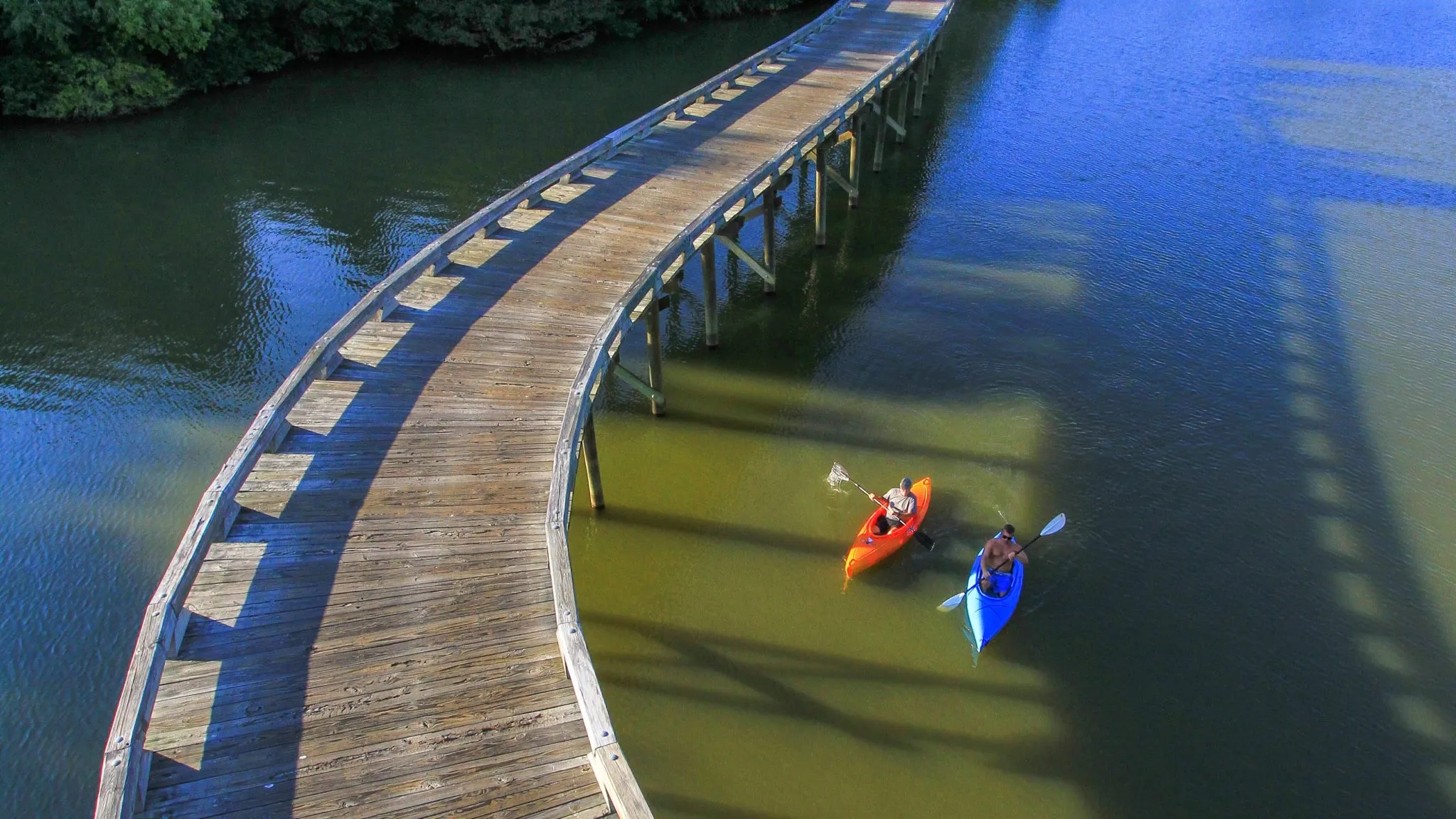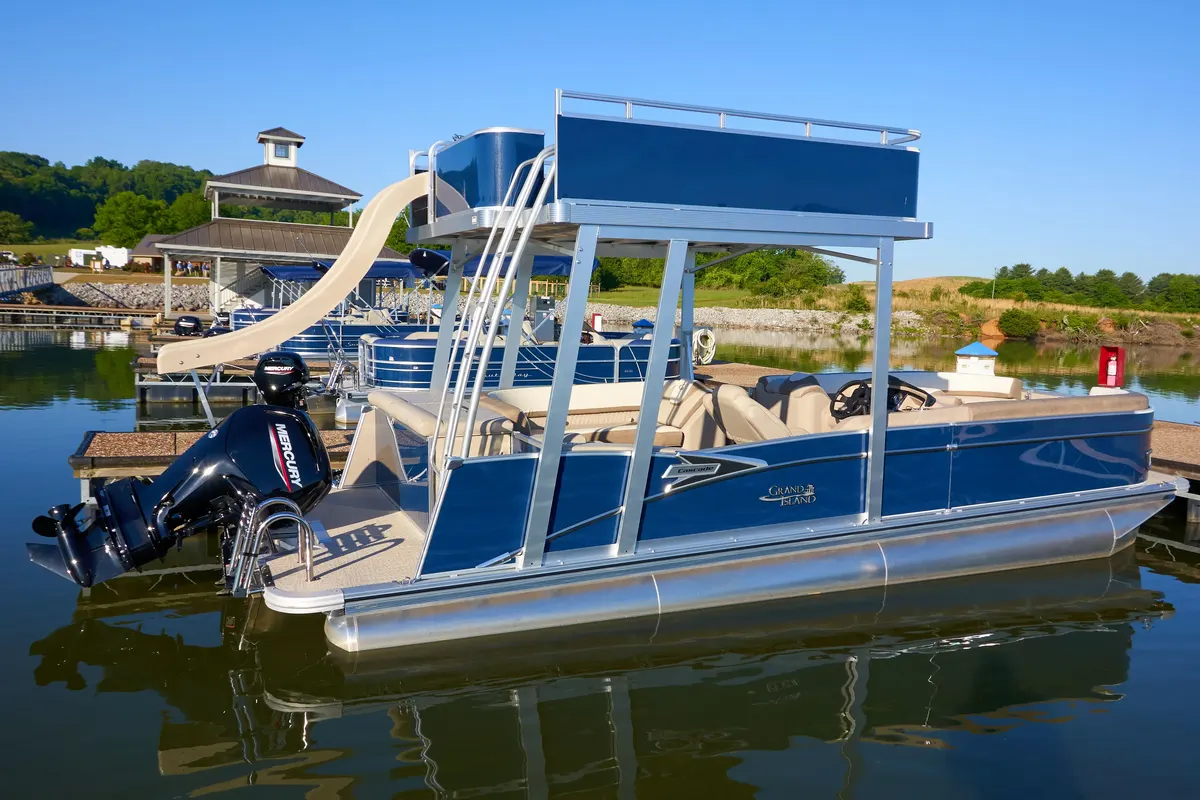
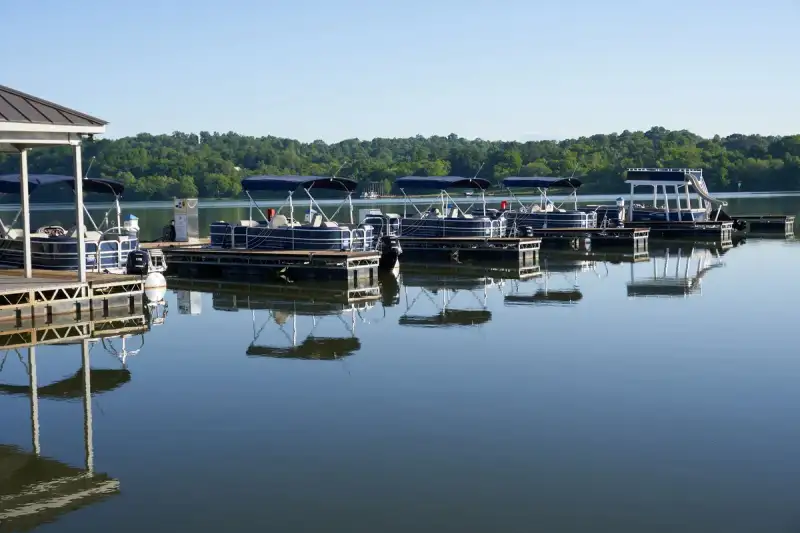
Boating access homes in East Tennessee combine scenic waterfront living with practical access to some of the Southeast’s best lakes, rivers and reservoirs. The standout for serious boaters is Watts Bar Lake — a 39,000-acre TVA reservoir in Loudon County with 80 miles of navigable shoreline and a year-round boating season. Whether you want a full-time residence, a second home, or a builder-ready dockable lot, understanding the local market, logistics and lifestyle makes the difference between a good purchase and one that becomes a headache. Tennessee National, the gated golf and marina community on Watts Bar just 35–40 minutes from Knoxville, is where many of these buyers end up.
Why East Tennessee is a Prime Area for Boating Access Homes
East Tennessee’s diverse waterways offer a mix of quiet coves, wide open water and river channels suited for everything from pontoon cruising to high-speed wakeboarding. Major reservoirs created by the Tennessee Valley Authority—including Watts Bar, Fort Loudoun, Cherokee and Douglas—are well-maintained and popular with boaters, anglers and families seeking waterfront recreation. Watts Bar stands out because it connects, via the Tennessee River and TVA lock system, to a long stretch of navigable water — you can leave your own dock and run for miles without ever loading a trailer.
The region’s moderate climate extends the boating season compared with northern lakes, and the surrounding hills provide scenic backdrops and a sense of privacy. Proximity to cities like Knoxville and Oak Ridge keeps amenities within easy reach while preserving the feeling of getting away from it all.
In addition to recreational boating, East Tennessee’s waterways support a vibrant community of fishing enthusiasts who enjoy both largemouth bass and smallmouth bass fishing, along with a variety of other freshwater species. The combination of navigable waterways and abundant fish populations makes it an ideal locale for both casual and competitive anglers, reinforcing the appeal of homes with direct boating access. Many neighborhoods include private docks or easy boat launch facilities, enhancing convenience for residents.
Moreover, the cultural attractions and outdoor activities in the surrounding area complement the boating lifestyle. Residents can explore nearby state parks, hiking trails, and historic sites during off-water hours, making East Tennessee a well-rounded destination for nature lovers. Seasonal festivals and local markets also add to the community feel, creating a balanced environment where waterfront living intersects with rich cultural experiences.
Types of Boating Access Properties
Boating access homes come in several forms. Direct waterfront properties with year-round docks are the most desirable for serious boat owners who want immediate access. Those homes often carry a premium but deliver convenience and a stronger resale profile.
Canal-front and cove homes might have calmer water for smaller boats, kayaks and fishing, while main-lake properties typically provide easier navigation for larger boats and better long-term views. Some buyers choose properties with shared community docks or private slips in nearby marinas, balancing cost, maintenance and lifestyle.
Waterfront with Private Dock
Private docks anchored to the shoreline are ideal for unrestricted access and storage of boats, jet skis and other watercraft. Dock type, permitting and maintenance responsibilities vary by county and lake, so confirming legal access and any required permits before purchase is essential.
Community or Marina Slip
Community docks and marina slips can reduce individual maintenance and often include amenities like fueling stations, boat ramps and social spaces. However, slip availability and association rules may limit boat size or usage hours, and monthly or annual fees add to ownership costs.
Off-Water Properties with Easement or Ramp Access
Some buyers choose properties a short drive from the shoreline that include a deeded boat ramp easement or membership to a nearby ramp. These options are typically more budget-friendly, though they require hauling and launching at each outing and may be less convenient for spontaneous boating.
Key Factors to Evaluate Before Buying
Location and water depth near the proposed docking area should be a top priority. A calm cove might be perfect for small craft but too shallow for a larger boat. Seasonal water-level changes on reservoir systems can affect access and mooring, so understanding historical fluctuations matters.
Neighborhood covenants, homeowner association (HOA) rules and local dock permitting processes can deeply affect how a property can be used. Some HOAs restrict boat size, boating hours or dock construction. Researching these restrictions early in the process avoids unpleasant surprises after closing.
Shoreline and Erosion Considerations
Shoreline condition impacts dock stability and long-term upkeep. Evaluate erosion control measures, riprap status and vegetative buffers. Certain shoreline types require ongoing maintenance that increases operating costs or triggers additional permitting for repairs and upgrades.
Dock Permitting and Ownership Rights
Dock permits are issued by a mix of county, state and TVA or Corps of Engineers authorities, depending on the waterbody. Verifying that existing docks are permitted and transferable with the property is crucial. Some docks are on leased submerged land, meaning permits and leases must be reviewed for transferability.
Inspecting a Boating Access Home
A standard home inspection should be augmented for waterfront properties. Key inspections include structural review of docks and boathouses, evaluation of seawall or riprap integrity, and assessment of electrical service to any dock structures. Lettering of easements, flood elevation certificates and insurance claims history also inform risk.
Water quality and shoreline vegetation influence enjoyment and maintenance. Algae blooms or invasive plant growth can restrict boating and require local remediation. A shoreline assessment by a qualified specialist helps anticipate recurring management tasks.
Dock and Boathouse Condition
Wooden docks may show rot, while floating docks might have degraded flotation. Piling conditions, hardware corrosion and anchor stability should be inspected. Boathouses often have electrical components and roof systems that age differently than the principal dwelling, requiring close attention.
Flood and Insurance Risks
Properties along reservoirs and rivers may fall into flood zones that affect mortgage requirements and insurance costs. Reviewing flood maps and historical flood events clarifies long-term exposure. Insurance premiums and coverage limits for boats, docks and upland structures vary widely by insurer and location.
Financing Waterfront Properties
Financing a boating access home can be straightforward or complex. Lenders sometimes have stricter underwriting criteria for waterfront properties, particularly if the home is a second residence or if the property has a detached boathouse. Some institutions require higher down payments or specialized appraisals that account for dock condition and water access.
Appraisal challenges can arise with unique features like private slips, boathouses or leased submerged land. An appraiser experienced in waterfront properties and the local market ensures fair valuation and smooth loan processing.
Loan Types and Considerations
Conventional mortgages remain common, but interest rates, term lengths and down payment requirements differ. VA and FHA loans may be available for eligible buyers, but these programs can have restrictions related to flood insurance and secondary structures. Bridge loans or construction loans may be needed for major dock or shoreline improvements.
Lifecycle Costs and Maintenance
Owning a waterfront home carries ongoing costs beyond typical homeownership. Dock repairs, seasonal removal, slip fees, shoreline stabilization and additional insurance are common line items. Budgeting for routine inspections and preventive maintenance protects property value and keeps the boating lifestyle hassle-free.
Winterizing boats and docks is a seasonal consideration even in milder East Tennessee winters. Floating docks might require removal or anchoring adjustments, and watercraft should be stored and winterized according to manufacturer guidelines to extend life and performance.
Lifestyle and Community Considerations
Boat ownership influences daily routines and social opportunities. Waterfront communities often center around lake activities, fishing tournaments and neighborhood gatherings. Matching a property to the intended lifestyle—quiet family boating, watersports with friends, or fishing-focused outings—ensures long-term satisfaction.
Local access to services like marinas, boat repair shops, fuel docks and winter storage simplifies ownership. Proximity to healthcare, schools and grocery stores matters for full-time residents; weekend homeowners may prioritize privacy and recreational amenities over immediate convenience.
Noise and Traffic
Popular lakes can draw crowds, especially during summer holidays and weekends. Assess noise levels and traffic patterns at different times of day and week. A property that seems serene on a weekday afternoon may be lively on a Saturday morning during high season.
Wildlife and Conservation
Wildlife viewing is a perk of waterfront living, but interactions with wildlife sometimes require adjustments—managing attractants, protecting native plants and following rules for fishing and boating in protected areas. Participation in local conservation efforts helps preserve the natural assets that make these homes desirable.
Resale Value and Market Trends
Waterfront homes historically hold value well, often outperforming similar non-waterfront properties in a declining market. However, market dynamics vary by lake and neighborhood. The difference in price per foot of shoreline, dock quality and water access type affects resale prospects.
Understanding local trends—inventory levels, average days on market and price per square foot for similarly featured homes—guides realistic expectations. Working with an agent experienced in East Tennessee waterfront properties helps identify strong buys and avoids overpaying for fleeting features.
Steps to Buying the Right Boating Access Home
Start with a clear priority list: type of water access, dock needs, commute tolerance and budget for maintenance. Tour properties at different times to check for seasonal conditions and neighbor activity. Verify dock permits, easements and shore ownership early in negotiations.
Engage a specialized inspector, a lender familiar with waterfront appraisals and an agent who understands TVA-managed lakes and local permitting. Include contingency language in offers regarding dock condition, permitting transfers and acceptable flood insurance terms to keep options flexible.
Why Buyers Land on Watts Bar Lake
Of all the East Tennessee options, Watts Bar Lake checks the most boxes for full-time waterfront living. It is large enough for real cruising, calm enough in its coves for kayaks and pontoons, and stocked with bass, crappie and striper for the anglers. The TVA manages water levels predictably, and the surrounding hills of Loudon County keep the scenery and the privacy intact.
Tennessee National is the anchor community on the lake. It is a 1,492-acre gated community with a full-service marina, boat slips, and dockable lake lots — the kind of direct, year-round access this guide describes, without the guesswork of permitting an unknown shoreline. Lots range from $99K to $850K, the HOA runs $150/month for single-family homes, and Tennessee charges no state income tax. You also get a Greg Norman signature 18-hole golf course and reciprocal play at 800+ courses worldwide, 35–40 minutes from Knoxville and McGhee Tyson Airport.
For a buyer weighing coves, permits and dock condition across four or five different lakes, a community like Tennessee National removes most of those variables at once.
Final Thoughts
Boating access homes in East Tennessee offer a rare combination of outdoor recreation, scenic beauty and potentially strong long-term value. Informed buyers who research water rights, shoreline conditions, permitting and lifecycle costs can secure a property that supports years of enjoyment on the water. With thoughtful planning and the right professional team, finding a home that fits both boating needs and lifestyle goals is an achievable and rewarding pursuit.
Discover Your Boating Access Home at Tennessee National
Ready to embrace the perfect blend of waterfront living and luxury amenities? Tennessee National offers exclusive boating access combined with a Greg Norman Signature Golf Course, private marina, waterfront dining, and over 20 member amenities within a premier gated community. Whether you seek a move-in ready home or a custom build, our scenic nature trails and vibrant social clubs create an unrivaled resort-style lifestyle. [